

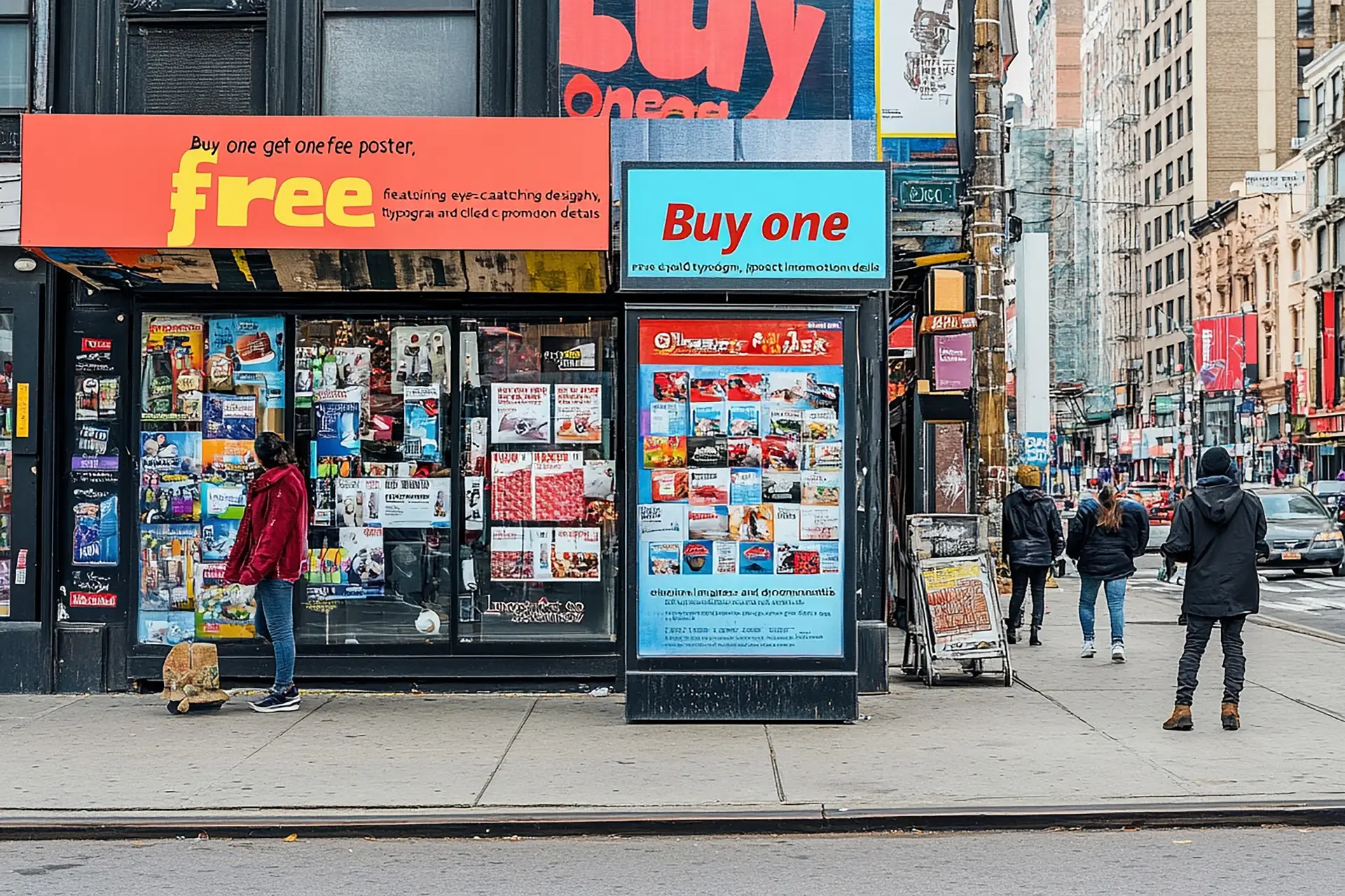
Quick Summary: Hyperlocal marketing focuses promotional efforts on narrowly defined geographic areas, such as neighborhoods, communities, or specific local districts. The approach helps businesses reach audiences based on location and relevant consumer characteristics rather than relying solely on broad geographic campaigns. Effective strategies combine localized messaging, community awareness, digital tools, physical publications, and consistent engagement to build stronger recognition among nearby consumers.
Businesses competing for local customers need strategies that connect with people within specific communities rather than relying entirely on broad audience targeting. Hyperlocal advertising focuses promotional messages around narrowly defined geographic areas, allowing businesses to build visibility among nearby consumers with relevant interests and purchasing needs. Local publications, events, digital campaigns, and community relationships can support this focused approach.
Understanding what is hyperlocal marketing requires looking beyond simple geographic targeting and considering the characteristics of a specific community. Neighborhood preferences, local events, household demographics, business activity, and community interests can influence campaign direction. A focused strategy can help businesses create messages that feel relevant to nearby audiences while building recognition through consistent exposure across selected local channels.
What Makes Hyperlocal Marketing Different?
Hyperlocal marketing concentrates on a smaller geographic area than traditional regional or national campaigns. Instead of addressing an entire city or broad service region, a campaign can focus on a neighborhood, residential development, ZIP code, or tightly defined community. This narrower approach allows businesses to shape messages around local characteristics, consumer interests, community activities, and nearby purchasing opportunities.
Traditional advertising can reach a large audience, but broad visibility does not automatically create strong local relevance. Hyperlocal strategies place greater emphasis on reaching people connected to a particular location. A neighborhood-focused campaign can highlight nearby services, local partnerships, community events, seasonal needs, and area-specific offers, creating stronger connections between businesses and consumers within a defined geographic environment.
Why Local Audience Knowledge Matters
Strong local campaigns begin with an understanding of the people living, working, shopping, and participating within a particular community. Demographic information can reveal household characteristics, income ranges, age groups, professional backgrounds, lifestyle interests, and purchasing behaviors. Combining those insights with geographic information can help businesses develop messaging that feels appropriate for the specific audience receiving each campaign.
Community knowledge also helps businesses recognize opportunities that broad campaigns could overlook. Local events, neighborhood organizations, schools, residential developments, business districts, and community traditions can influence consumer attention throughout the year. Marketing connected to those local elements can feel timely and relevant while helping businesses establish familiarity with consumers who live close enough to become recurring customers.
Build Visibility Through Local Publications
Print publications can create a valuable environment for reaching defined communities because distribution can focus on specific neighborhoods and residential areas. A community publication can combine editorial stories, local profiles, lifestyle content, and business promotions within one physical experience. Readers who already feel connected to the publication can encounter participating businesses alongside content that reflects familiar places, people, and interests.
Hyperlocal print campaigns can also create repeated exposure through recurring publication schedules. A business appearing consistently within a community publication can gradually build recognition among readers instead of relying on one promotional interaction. High-quality imagery, relevant messaging, strategic placement, and consistent branding can support familiarity while helping local businesses establish a visible presence within selected communities.
Combine Physical and Digital Strategies
Digital channels can extend a local campaign beyond the physical publication or promotional material. Businesses can use websites, social media, email campaigns, digital display placements, landing pages, QR codes, and other online tools to continue conversations after initial exposure. A coordinated strategy creates several opportunities for consumers to encounter a business while moving between physical and digital environments throughout the customer journey.
Digital targeting can also support location-focused campaigns through geographic parameters and audience characteristics. Businesses can direct promotional messages toward selected areas while adapting creative content for specific communities or consumer groups. Combining digital capabilities with local print exposure creates a broader marketing ecosystem that supports recognition, engagement, website activity, inquiries, and customer relationships without depending upon one communication channel.
Connect With Communities Through Local Activities
Community involvement can strengthen local visibility because consumers frequently recognize businesses that participate in activities surrounding their neighborhoods. Sponsoring events, supporting community organizations, attending local gatherings, and participating in networking opportunities can create direct interactions that extend beyond conventional promotional messaging. These activities can position a business as an active participant within the community rather than simply another company seeking customer attention.
Local event sponsorships can also create opportunities for businesses to reach consumers within environments built around shared interests and community participation. Event signage, publication features, promotional materials, digital mentions, and personal conversations can reinforce recognition across several touchpoints. Consistent participation can help businesses develop relationships with residents, professionals, community leaders, and other influential individuals connected to the local area.
Measure Local Campaign Performance
A focused campaign needs measurable objectives that connect marketing activity with business outcomes. Businesses can monitor website traffic, inquiries, phone calls, landing page visits, QR scans, social engagement, event interactions, and promotional responses. Tracking these actions can reveal which messages and channels generate useful engagement while helping businesses make informed decisions about future campaigns and resource allocation.
Measurement also creates opportunities to compare results across different communities, campaign formats, creative concepts, and promotional periods. A business serving several geographic areas can identify which locations generate stronger engagement and which audiences respond to particular messages. These insights can guide future marketing decisions while helping businesses refine local strategies around measurable consumer behavior and changing community interests.
Take the Next Step Toward Local Growth
Building stronger local visibility starts with a focused audience, relevant messaging, and meaningful community connections. The N2 Company brings together targeted marketing opportunities, local media, digital solutions, and entrepreneurial ownership. Become an owner to explore a business opportunity centered on community relationships, marketing support, and meaningful local connections.
FAQs
What does hyperlocal marketing target?
Hyperlocal marketing targets narrowly defined geographic areas, including neighborhoods, communities, ZIP codes, residential developments, and specific local districts.
Why is local audience knowledge important?
Local audience knowledge helps businesses create relevant messages based on community characteristics, consumer interests, geographic proximity, and purchasing behaviors.
Can print support hyperlocal campaigns?
Print publications can support hyperlocal campaigns by reaching defined communities through targeted distribution and recurring opportunities for local brand exposure.
Can digital channels support local marketing?
Digital channels can support local marketing through geographic targeting, localized content, social campaigns, email outreach, landing pages, and display advertising.