

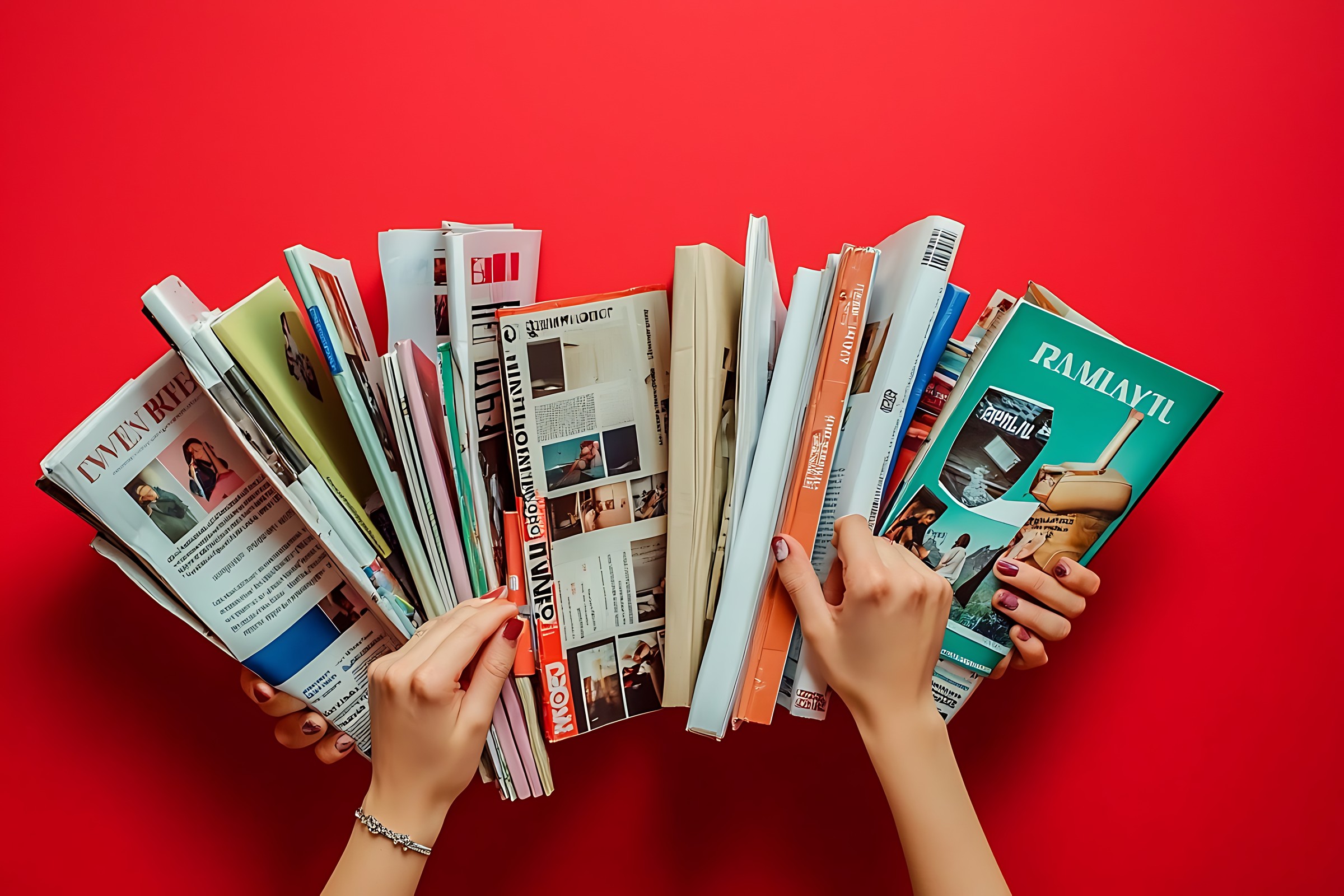
Quick Summary: Print promotion uses physical publications such as magazines and newspapers to place branded messages directly before defined audiences. Effective campaigns depend on audience fit, compelling design, clear messaging, strategic placement, and consistent exposure. Local publications can connect businesses with communities, while print campaigns can also link readers toward websites, social channels, landing pages, and other digital destinations for continued engagement.
Print advertising starts with recognizing how physical publications place branded messages in front of readers within a defined audience. Businesses can use magazines, newspapers, direct mail, brochures, and similar formats to build awareness, communicate offers, and encourage action. Strong campaigns begin with audience research, clear objectives, thoughtful creative direction, and a publication that aligns with customer interests and expectations today.
For businesses exploring what print media advertising is, the answer extends beyond simply placing a promotional message on paper. Effective campaigns connect audience targeting, visual presentation, useful messaging, placement, frequency, and measurable calls to action. Localized publications can create valuable proximity between advertisers and consumers, especially when businesses want recognition among neighborhoods, communities, or interest groups across a defined service area.
Start With a Clearly Defined Audience
Audience selection should come before creative development because a beautiful advertisement has limited value when delivered to people unlikely to need the featured product or service. Businesses can examine neighborhood characteristics, household profiles, professional interests, purchasing patterns, and community preferences when selecting a publication. A strong audience match creates a sensible foundation for marketing investment, visibility, and lasting brand recognition.
Magazine promotion can work especially well when publications cultivate a clearly defined readership around a community, lifestyle, profession, or shared interest. Readers already choose those publications because the content feels relevant to daily interests and local experiences. Advertisers can benefit from appearing alongside trusted editorial material, particularly when creative presentation feels useful, polished, relevant, and consistent with the publication’s identity.
Create a Message Readers Remember
A successful print advertisement needs a focused message that readers can understand without excessive effort. Strong headlines, attractive imagery, concise supporting copy, recognizable branding, and a direct call to action can guide attention toward the intended response. Creative choices should reinforce the brand personality while keeping the central benefit visible, understandable, memorable, relevant, and easy for readers to recognize quickly.
Print campaigns can also create a tangible experience that differs from fast-moving digital feeds. A physical magazine can remain in a home, office, waiting area, or community space after the initial reading session. Repeated exposure can strengthen familiarity, while high-quality photography, paper, layout, and typography can contribute to a polished impression that supports credibility, recognition, and long-term brand recall.
Use Local Reach to Strengthen Visibility
Advertising in print media becomes particularly useful when a business wants targeted local visibility instead of broad exposure without clear audience alignment. Hyperlocal publications can focus distribution around selected neighborhoods or communities, helping advertisers reach readers connected to specific geographic areas. This approach can support local awareness while creating opportunities for businesses to become recognizable names within communities.
Print campaigns can also connect directly with digital destinations through QR codes, custom URLs, landing pages, and related response mechanisms. A reader can move from a physical advertisement toward a website, offer page, appointment form, social profile, or other online destination. This connection creates a practical and useful bridge between tangible exposure and measurable digital engagement within a marketing strategy.
Choose the Right Print Format
Print campaigns can appear across several formats, including magazines, newspapers, brochures, catalogs, direct mail pieces, and community publications. Each format creates a different reader experience and serves different campaign objectives. Businesses should consider audience habits, message complexity, visual requirements, distribution methods, campaign duration, and available budget when selecting a format that supports the intended marketing goal.
Magazine placements can work particularly well for businesses seeking a polished environment with strong visual storytelling and defined readership characteristics. Full-page advertisements can create substantial visual impact, while smaller placements can support recurring exposure across several issues. Selecting the right placement requires balancing visibility, audience relevance, creative requirements, campaign frequency, and overall marketing objectives rather than focusing exclusively on advertisement size.
Measure Responses and Refine Campaigns
Effective campaigns require thoughtful evaluation after publication rather than relying solely on assumptions about visibility. Businesses can monitor inquiries, website visits, QR scans, dedicated landing page activity, promotional responses, and changes in customer conversations. Comparing results across issues, creative approaches, audiences, and response channels can reveal useful patterns that support stronger and smarter decisions for marketing investments and budget planning.
Print and digital channels can work together when each medium serves a distinct purpose within one coordinated campaign. Print can establish physical visibility and credibility, while digital tools can support continued interaction after readers encounter the advertisement. Multi-channel media companies like The N2 Company combine targeted print exposure with digital capabilities, including display campaigns, social media management, and website creation, to help businesses build turnkey marketing campaigns.
Turn Print Visibility Into Lasting Recognition
A thoughtful print strategy can become a valuable part of a broader marketing plan when audience selection, creative execution, placement, and follow-up remain aligned. Businesses can strengthen recognition by choosing publications with relevant readerships and creating messages that feel useful rather than disruptive. Consistent presentation can help establish familiarity while supporting relationships between local businesses and the communities surrounding those businesses.
Physical publications continue to offer a distinct marketing environment because readers can hold, revisit, share, and discuss printed content away from constantly changing digital screens. A strong publication also creates opportunities for businesses to appear within a community-centered environment where editorial content and commercial messages coexist naturally. That combination can support trust, familiarity, recognition, and valuable local connections over time.
Build a Stronger Path Forward
A print strategy can turn physical visibility into community recognition when audience, message, placement, and follow-up work together. The N2 Company supports entrepreneurs and businesses through targeted strategic marketing solutions built around connections. Become an owner to explore an entrepreneurial path centered on relationships, marketing, publishing, and lasting business growth.
FAQs
What types of businesses benefit from print campaigns?
Local businesses, professional services, home services, real estate companies, retailers, healthcare practices, and community-focused brands can benefit from targeted publications.
Why does audience targeting matter for print campaigns?
Audience targeting helps businesses place promotional messages before readers whose interests, locations, and purchasing needs align with the advertised offering.
Can print campaigns support digital marketing?
Print campaigns can direct readers toward websites, landing pages, social profiles, QR codes, and other digital destinations for continued engagement.
What makes an effective print advertisement?
Effective advertisements combine strong visuals, concise messaging, recognizable branding, relevant benefits, and a clear action that guides reader response.