
*Article from Stroll River Bottoms, May 2026*
Written By: Jon Hill
Photos Provided By: Jon Hill
For Commander Jon J. Hill, the path to a life in naval aviation began not in a classroom or recruiting office, but in the cockpit of a small aircraft. At just ten years old, he was invited to sit in the co-pilot’s seat during a flight from Bakersfield to Los Angeles. That moment—hands on the controls, eyes on the horizon—sparked a lifelong passion for flying and, eventually, a distinguished career in the U.S. Navy.
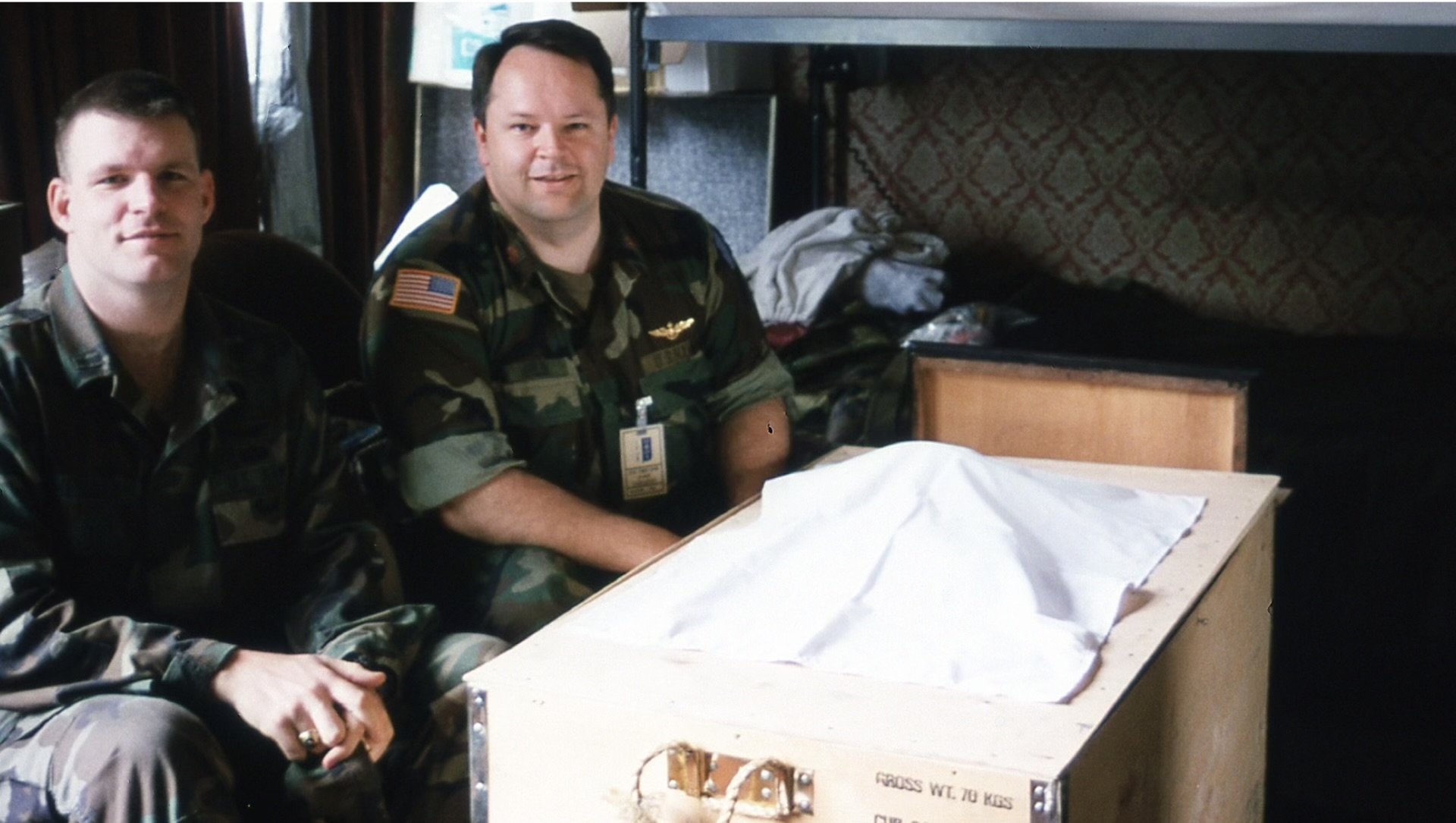
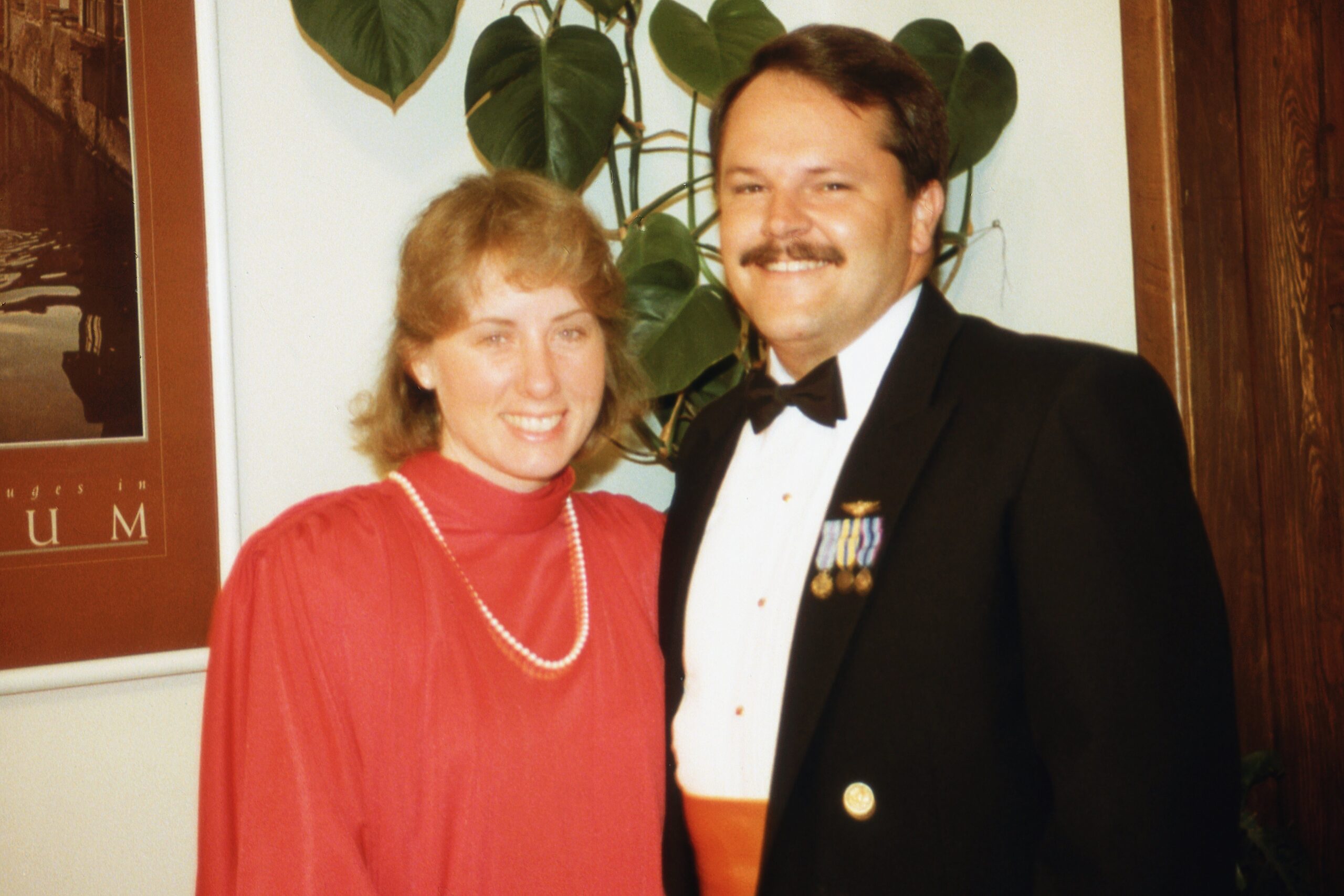
Hill’s service spanned 24 years, from 1981 to 2005, an unorthodox career marked by both active duty and reserve service. Commissioned as an Ensign after graduating from Brigham Young University, he would ultimately retire with the rank of Commander. Over those years, he served 15 years on active duty across three separate periods, while also building a civilian career as an attorney during intervals of reserve service. “I could never have imagined the experiences I would have,” Hill reflects. “The places, the people, the challenges—it shaped everything.”
His journey began at Aviation Officer Candidate School in Pensacola, Florida, where he quickly learned that military training was as mentally demanding as it was physical. Under the watchful eye of a Marine Corps drill instructor, Hill and his classmates endured months of intense pressure. Roughly half did not make it through. “It was chaos and order all at once,” he recalls. “But it gave me confidence that I could perform under stress.”
From there, Hill progressed through flight training in Florida and Texas, eventually earning his coveted Navy Wings of Gold in 1983. He went on to fly the P-3C Orion, a complex maritime patrol aircraft designed for anti-submarine warfare during the height of the Cold War.
Assigned to Patrol Squadron 8 in Brunswick, Maine, Hill entered a world defined by constant training and high-stakes missions. While he never saw direct combat, his work tracking Soviet submarines was critical to national security. Missions often required long hours over open ocean, in severe weather, and under conditions that tested both skill and nerve. “You’re only as good as your last landing,” he says. “There’s no room for complacency.”
One particularly harrowing memory still stands out: a near-fatal landing in dense fog after a long training flight. With zero visibility and no margin for error, Hill could only watch as the aircraft descended toward the runway. “It was the scariest moment of my flying life,” he admits. “And I wasn’t even in control.”
Not all memories were airborne. During a 1985 deployment, Hill unknowingly walked into a hangar at a naval base in Sicily and found it filled with hundreds of armed U.S. special forces personnel—likely staging for a potential hostage rescue mission during the TWA Flight 847 hijacking crisis. “It was surreal,” he says. “Everything suddenly made sense—the security, the aircraft, the tension.”
Throughout his career, Hill traveled extensively, visiting more than 40 U.S. states and dozens of countries across Europe, Africa, and South America. From the jungles of the Amazon to the icy waters of the North Atlantic, his assignments offered a rare view of the world—often from thousands of feet above it.
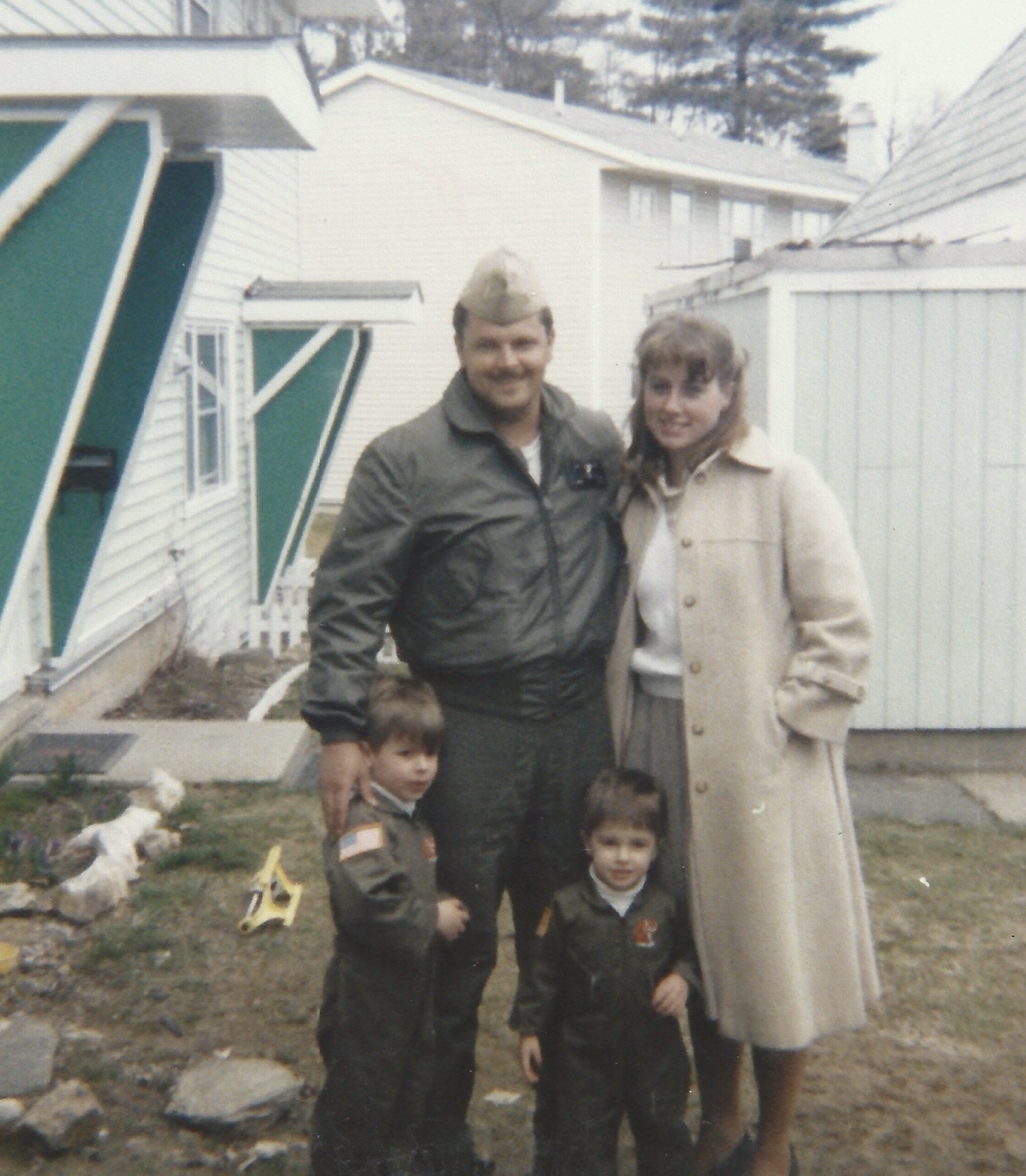
Yet for all the adventure, the greatest challenge was time away from family. Hill and his wife, Tamara, raised their children across continents, often separated by duty and distance. Communication was limited to letters, recorded messages, and occasional radio calls.
Despite the sacrifices, Hill views those years as a gift. “Our children grew up with experiences that shaped who they are,” he says. “That’s something we’ll always treasure.” After retiring from the Navy, Hill continued his legal career and later served as a court administrator in Salt Lake City. But the lessons of military life—discipline, resilience, and the constant drive to perform—never left him.
He speaks candidly about the pressures of service, particularly in aviation, where performance is constantly evaluated, and failure can carry serious consequences. “It was always about performance,” he says. “But we relied on each other. That’s what made it work.” Looking back, Hill holds a nuanced view of military service. He expresses a deep dislike of war itself, while maintaining respect for those who serve. “I hate war,” he says plainly. “But I understand why we must be prepared.”
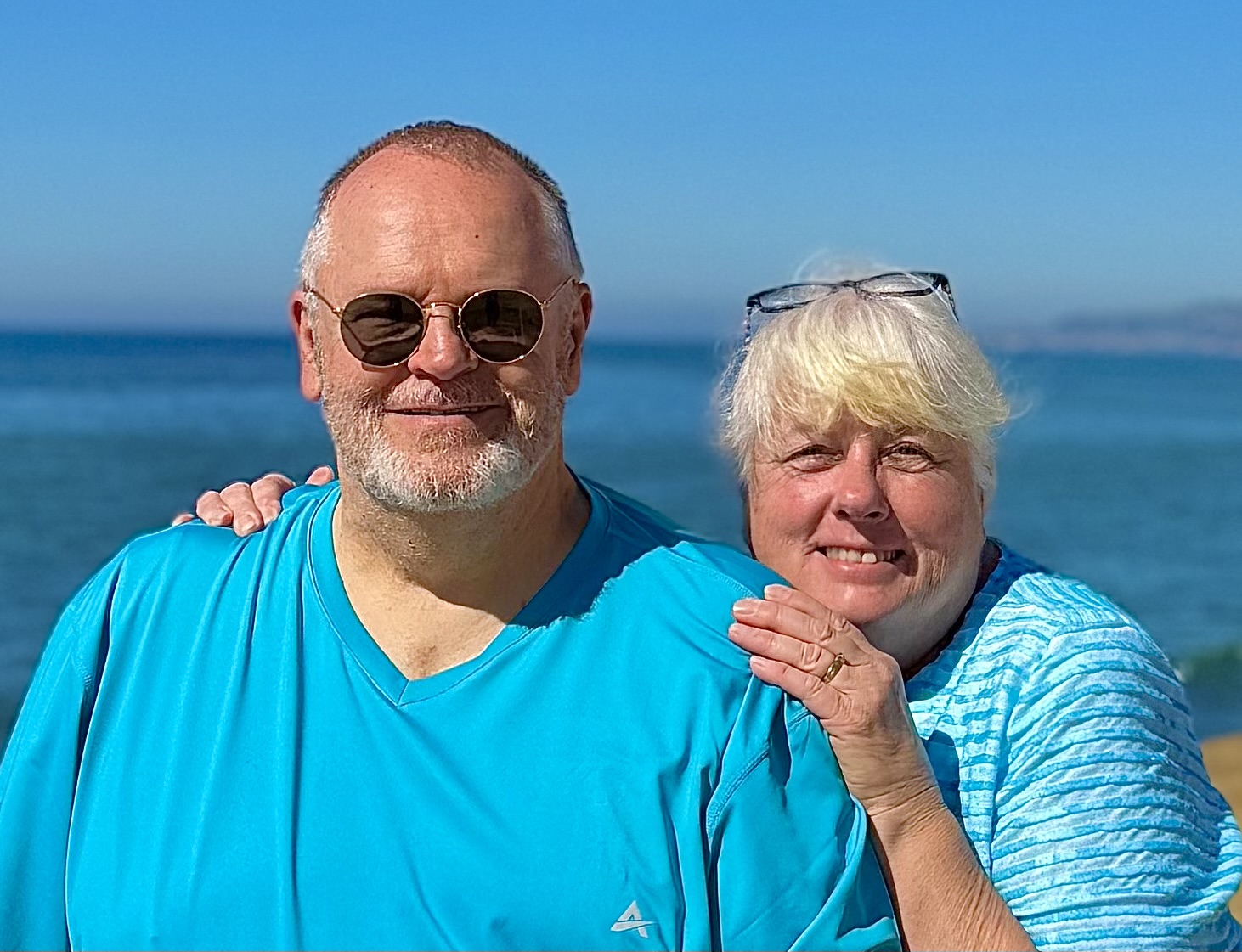
In the end, Hill measures his life not by rank or recognition, but by something far more personal. “The greatest blessings in my life are my family,” he says. “Everything else is just experience.” And what an extraordinary set of experiences it has been.