

Information and Resources Provided By: Edie Eason, Resident
A Quieter Tribute: The Extraordinary Story of Lou Fowler
As America celebrates 250 years, we honor those who paid the price for our freedom. Discover the harrowing survival story of WWII B-24 gunner Lou Fowler—a tale of miraculous escape, endurance, and the hard-won clarity of a life lived on purpose.
America turns 250 this year, and celebrations will rightly include fireworks, flags, and families gathering. But the truest tribute is remembering the people who paid the price and carried it home.
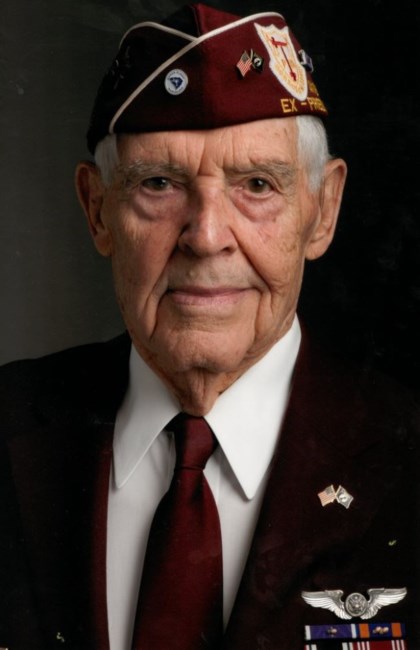
Among those stories is Louis Blanding “Lou” Fowler (Aug. 16, 1924–Nov. 22, 2017), a U.S. Army Air Corps airman who served with the 15th Air Force in Italy as the right waist gunner on a B-24 Liberator. He flew with the 378th Bomb Squadron, 454th Bomb Group, at a time when completing 25 missions could mean a long-awaited trip home.
His story has been carefully preserved in a family binder shared by his daughter and Long Point resident Edie Eason, a collection of interviews, articles, and family writings that keep his voice close. One piece inside, Luft Gangster, was written by Lou’s great-granddaughter, Alden Landry, who earned the honor of laying a wreath at the Tomb of the Unknown Soldier in Lou’s name.
In 2025, her younger sister, Blakley Landry, earned the same honor, proof that Lou’s legacy still shapes the next generation.
The Mission That Changed Everything
In the spring of 1944, the skies over Europe were crowded with American bombers—and the enemy fighters waiting for them. Lou later described the danger as both mechanical and human: flak rising from the ground and seasoned Luftwaffe pilots ready to strike.
On March 19, 1944, during his crew’s 14th combat mission over Austria, Lou’s B-24, nicknamed the VIRGIN ANNIE, took a direct hit. At roughly 18,000 feet, the crew was ordered to bail out. Lou was only 20 years old.
In the chaos, flak blasted Lou’s parachute away. Wounded by shrapnel, he spotted the fallen belly gunner’s parachute, wrestled it into place, and clipped it on just as the plane pitched toward the ground.
Then came what Lou called “the first miracle.” The aircraft lurched, throwing him out through the opening. He free-fell thousands of feet before pulling the chute. When he came to around 10,000 feet, the world turned strangely quiet. In that stillness, Lou heard a voice: “Fear not, for I am with you.”
Captivity and the Long Road
Lou woke in the snow of the Austrian Alps—bleeding and alone. After a brief attempt to reach safety with Yugoslav rebels, he was captured by German soldiers and became a prisoner of war.
He was transported to Frankfurt, where he was held for questioning and denied medical treatment. He improvised, using a wine-soaked rag from a local woman to tend his own wounds. His journey later moved through prison systems that included a stop at Auschwitz, witnessing terrors that would never fade.
Lou’s captivity lasted 13 months within the Stalag Luft system. As the Russian Army advanced, the prisoners were forced into punishing marches under brutal conditions. Survival became a daily decision.
The Great Escape
On the evening of April 25, 1945, Lou and two others made their move. One fellow POW, who spoke fluent German, put on a Nazi uniform and marched the others past guards toward the treeline. They ran west, using their Boy Scout training to navigate by the sun.
When they spotted an American tank, the three men—bearded, starving, and exhausted—sprang from a ditch shouting, “Joe Louis! Babe Ruth! Betty Grable! Americans, don’t shoot!” The soldiers lowered their guns once they saw the men’s condition.
A Legacy of Clarity
Lou came home 87 pounds lighter with shrapnel in his body for life. In a later interview for Generations of Heroes, he shared that captivity stripped life down to what mattered most. There were only four things that made a difference: “My God—my family—my friends—my country.”
Lou Fowler’s story reminds us of what our freedom costs—and how it still inspires conviction, gratitude, and a life lived on purpose.