

*Article from Stroll River Bottoms May 2026 Issue.*
Written by: Howard McCosh
For one soldier, the decision to enlist in the U.S. Army was less about patriotism and more about escape. Growing up in a restrictive home environment in Glennallen, Alaska, he reached a breaking point. “It was time for me to leave,” he recalls simply. With limited options due to health challenges—motion sickness ruling out the Navy and Air Force, and physical limitations making the Marines unrealistic—the Army became his path forward.
That path began in stark contrast to the independence he sought. Basic Combat Training at Fort Ord, California, was, in his words, “a shock.” The rigid structure mirrored the discipline he had tried to leave behind, and his physical condition made the experience even more difficult. Frequent illness during childhood had left him with low stamina, and a condition affecting blood circulation caused muscle cramping. Still, he pushed through.
Following basic training, he was sent to Fort Jackson, South Carolina, for Advanced Individual Training—a welcome change. “Training there was heaven,” he says, noting the rare privilege of weekend passes. But that reprieve was temporary. Soon, he was deployed overseas to Germany, assigned to Headquarters Company, 8th Infantry Division in Bad Kreuznach.
The journey there was anything but smooth. A violent Atlantic storm turned the trip aboard the USS Darby into a miserable ordeal. “I was constantly seasick,” he remembers. By the time he arrived, he was battling strep throat and exhaustion. A powerful penicillin injection got him back on his feet—though not comfortably. “I had to sit on a pillow for a week.”
In Germany, he served as a clerk-typist in the Office of the Staff Judge Advocate, handling legal documents and maintaining a law library. It was structured, predictable work—far removed from the chaos he would later experience.
In 1965, seeking change, he reenlisted. By 1966, he was back in Alaska, but dissatisfaction followed him. A year later, he volunteered for duty in Vietnam.
The shift from Alaska’s frozen landscape to Vietnam’s dense jungle was jarring. “I went from 35 degrees below zero and snow to heat, humidity, and the smell of jungle,” he says. It was more than climate change—it was a complete sensory and psychological shock.
Initially assigned to a headquarters unit, he later volunteered for a more dangerous role as a radio telephone operator (RTO) with an advisory detachment supporting South Vietnamese forces. Within weeks, he found himself in one of the most intense experiences of his life.
His unit was tasked with locating an enemy force that had destroyed a regimental headquarters. Six days into the mission, they walked directly into a heavily fortified enemy base camp. Vast in size and reinforced with tunnels and bunkers, the site housed a force that outnumbered them three to one.
“We were surrounded,” he recalls.
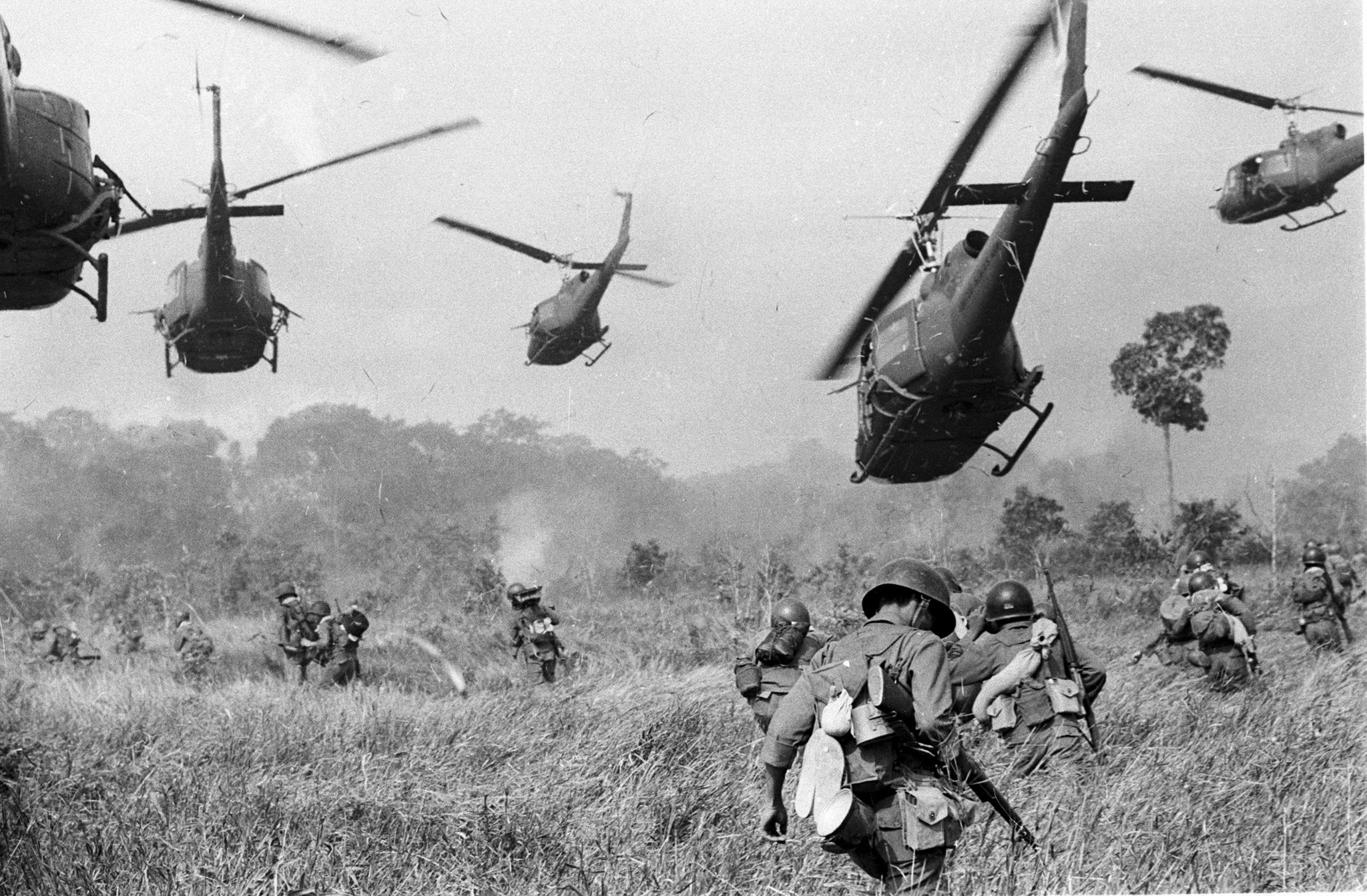
What followed was a 12-hour battle for survival. Gunfire, mortars, and air support filled the air as U.S. forces called in everything from helicopter gunships to Air Force fighter jets and a C-130 gunship. Bombs and machine gun fire rained down as the soldiers fought to avoid annihilation.
“There’s no glory in that,” he says. “Only survivors.”
The experience left lasting effects. Years later, his hearing deteriorated, a consequence of prolonged exposure to the deafening sounds of combat. But the psychological impact ran deeper, reshaping how he viewed war and military service.
Not all of his memories are defined by combat. Some reflect the unpredictability—and at times absurdity—of military life. He recalls an incident in Germany where a disgruntled tank operator drove his vehicle up to the barracks, pointed the barrel through a window, and demanded a pass. The situation escalated quickly, ending only when military police intervened.
There were also moments of responsibility that tested him in unexpected ways. While working as a clerk and dispatcher for a bomb disposal unit in Vietnam, two soldiers arrived with a live grenade after losing the pin. With no technicians available, he relied on knowledge he had overheard and improvised a solution using a paperclip and electrical tape—defusing a potentially deadly situation