
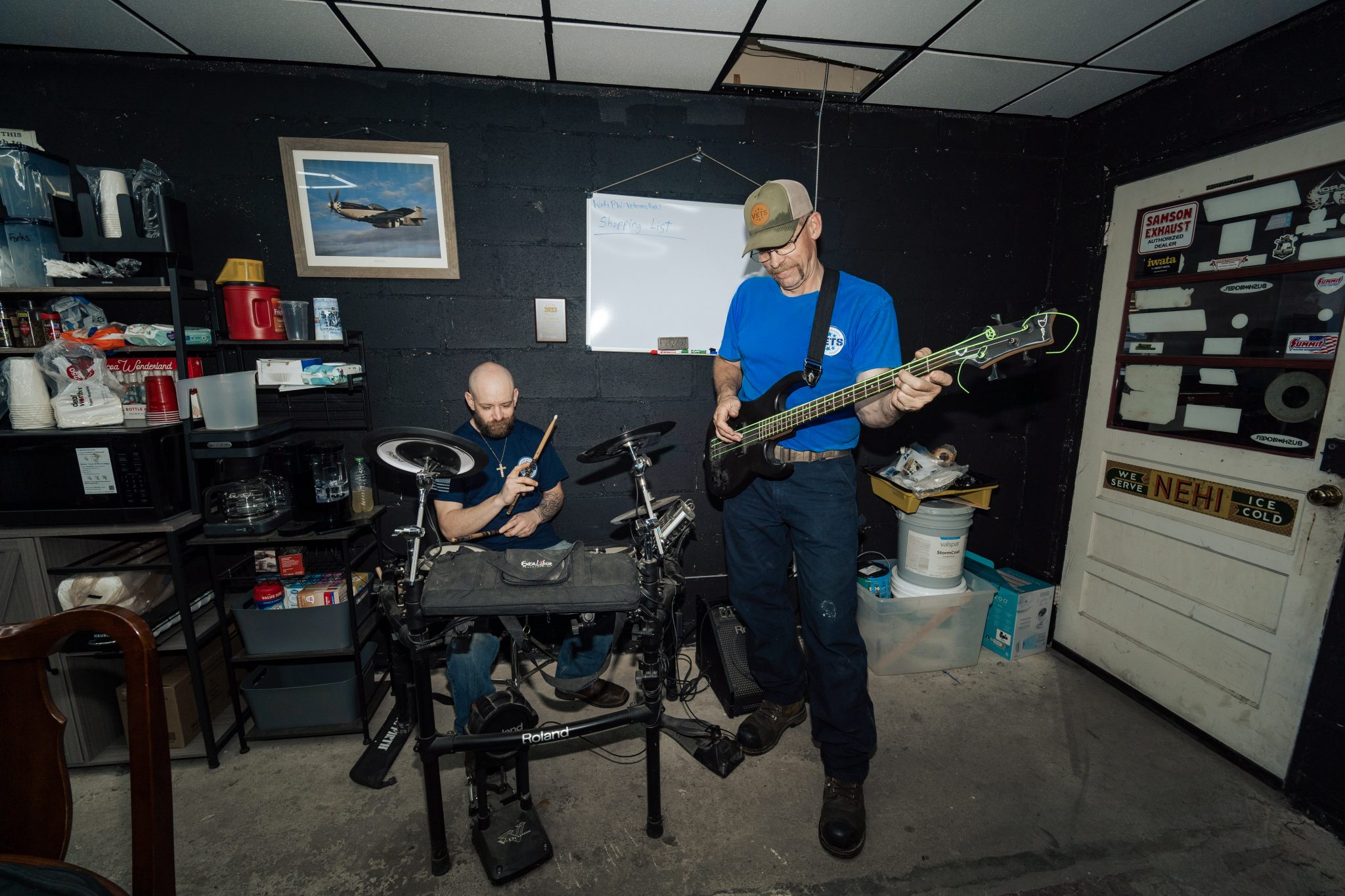
As Americans celebrate Independence Day and honor the freedoms secured through generations of military service, it is also a fitting time to recognize the challenges many veterans face long after their uniforms are folded away. For some, the transition to civilian life comes with an unexpected loss of purpose, identity, and connection. Veteran Education, Training & Support, Inc. (VETS) exists to help bridge that gap.
Founded in 2019 by retired Air Force veteran Rob Dinsmore, VETS was born from a desire to continue serving those who have sacrificed for the nation. Dinsmore spent 30 years in the Air Force, much of that time supporting special operations, combat search and rescue, and nuclear defense missions. Along the way, he witnessed the toll that PTSD, depression, and suicide could take on service members.
“Sometimes all it takes is to be there,” Dinsmore says. He remembers supporting an airman struggling with suicidal thoughts years ago. Simply sitting with him, walking him through the process, and offering encouragement made a lasting difference. That experience helped shape Dinsmore’s understanding of what veterans often need most: connection, understanding, and a sense that they are not alone.
The organization’s mission is simple but powerful: reduce veteran suicide, improve mental health, and enhance well-being through education, training, and engagement in the skilled trades. “We try to get veterans off the couch and into a supportive environment where they can find some normalcy again,” Dinsmore explains.
Many veterans, especially those living with PTSD, traumatic brain injury, depression, or anxiety, struggle after leaving military service. In the military, teamwork is constant, missions have clear objectives, and relationships are built through shared sacrifice. Civilian life can feel very different.
“When a veteran leaves military service, they often experience a lack of teamwork and sense of purpose,” Dinsmore says. “It’s hard to look at a normal job as routine when you’ve spent years accomplishing missions that had national or worldwide impacts.”
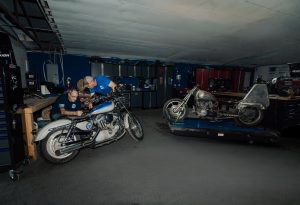
Rather than relying on traditional therapy models, VETS uses what Dinsmore calls “distraction therapy.” Veterans gather in an environment filled with motorcycles, welding equipment, tools, music, and fellow veterans who understand the military experience.
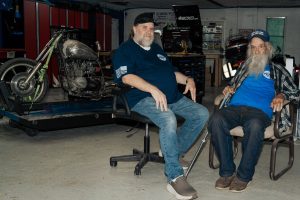
Vietnam veteran Tracy Metcalf has experienced that impact firsthand. One of the organization’s earliest members, he says the hands-on projects and camaraderie help veterans focus on something productive while connecting with others who understand military life. “It gets their mind out of here and working on something,” Metcalf says. “A bunch of veterans know what you’re going through. If you’re not busy, you’re thinking about other things you don’t want to think about.”
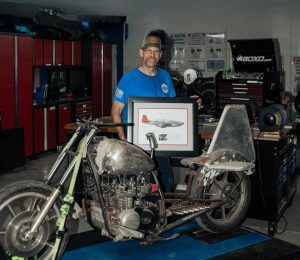
VETS offers three primary programs: motorcycle and mechanics shop days, Metal Masters fabrication nights, and monthly music sessions. The motorcycle program has become especially impactful. Veterans work together to restore, repair, and customize motorcycles, and participants who earn a Veteran Motorcycle Build receive a donated motorcycle and budget to make it their own. “The journey is the important part,” Dinsmore says. “Veterans learn new skills, work together as a team, and regain a sense of purpose.”
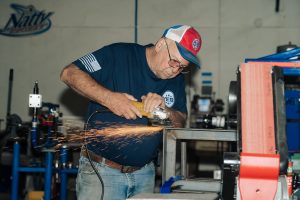
The Metal Masters program provides hands-on training in welding, machining, and fabrication, while music nights offer another outlet for fellowship and creativity. “If you’re trying to strike an arc with a welder, fix a 40-year-old motorcycle, or learn a new chord on a guitar, you don’t have time to be in your head,” Dinsmore says. VETS reports that six veterans who participated in its programs over the past seven years were prevented from taking their own lives. Those numbers represent fathers, mothers, spouses, friends, and community members who are still here today.
Perhaps what makes VETS most unique is the family atmosphere that surrounds every program. Members support one another through challenges both large and small, celebrate victories, share knowledge, and show up when someone needs help. “We get veterans into a supportive environment filled with power tools, motorcycles, a car lift, and people that have chewed some of the same dirt together,” Dinsmore says.
As the nation reflects on patriotism this July, Dinsmore hopes readers will remember that supporting veterans extends beyond thanking them for their service. “Veterans have given a promise to give their life in defense of our nation, if necessary,” he says. “That is a big commitment.”
Programs like VETS help ensure those who made that commitment continue to find purpose, community, and hope long after their military service ends.