
*Article from Stroll River Bottoms, May 2026*
Written By: Joel Tibbitts
I was born and raised in Salt Lake City, Utah, and from an early age, I dreamed of flying for the United States Air Force. Becoming a pilot was my goal, and having an older brother who was already flying in the Air Force only strengthened that ambition.
I attended the University of Utah, where I enrolled in the Air Force ROTC program. In 1963, I entered the Air Force Aviation Cadet program, which combined commissioning with navigator training. After graduation, I was assigned as a B-52 Electronic Warfare Officer near Sault Ste. Marie in Michigan’s Upper Peninsula. Although I was proud of the role, my goal remained clear—I wanted to become a pilot. In May 1967, I was fortunate to be selected for U.S. Air Force Pilot Training in Big Spring, Texas.
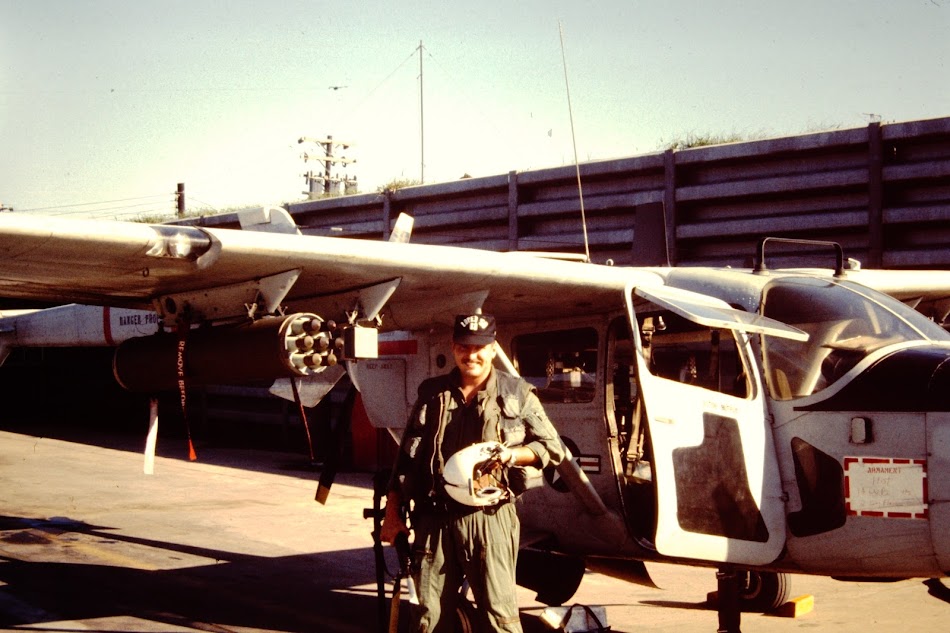
After earning my pilot wings, I was assigned to Da Nang Air Base in Vietnam, flying the Cessna O-2A. The O-2A was a small, unarmed aircraft, and our mission was to fly at low altitudes, directing tactical air strikes in support of ground forces. We worked with U.S. Army units, Marines, Special Forces, Vietnamese Rangers, and South Vietnamese infantry.
For a pilot fresh out of training, it was a demanding and dangerous assignment. We flew at least one mission every day, often in difficult conditions. The risks were very real. During my year there, four of the twelve pilots in our unit were casualties—two were killed and two were wounded. Communication with home was slow in those pre-Internet days, and letters often took weeks to arrive. One bright moment during that year was the opportunity to meet my wife in Hawaii for a brief week together before returning to the mission.
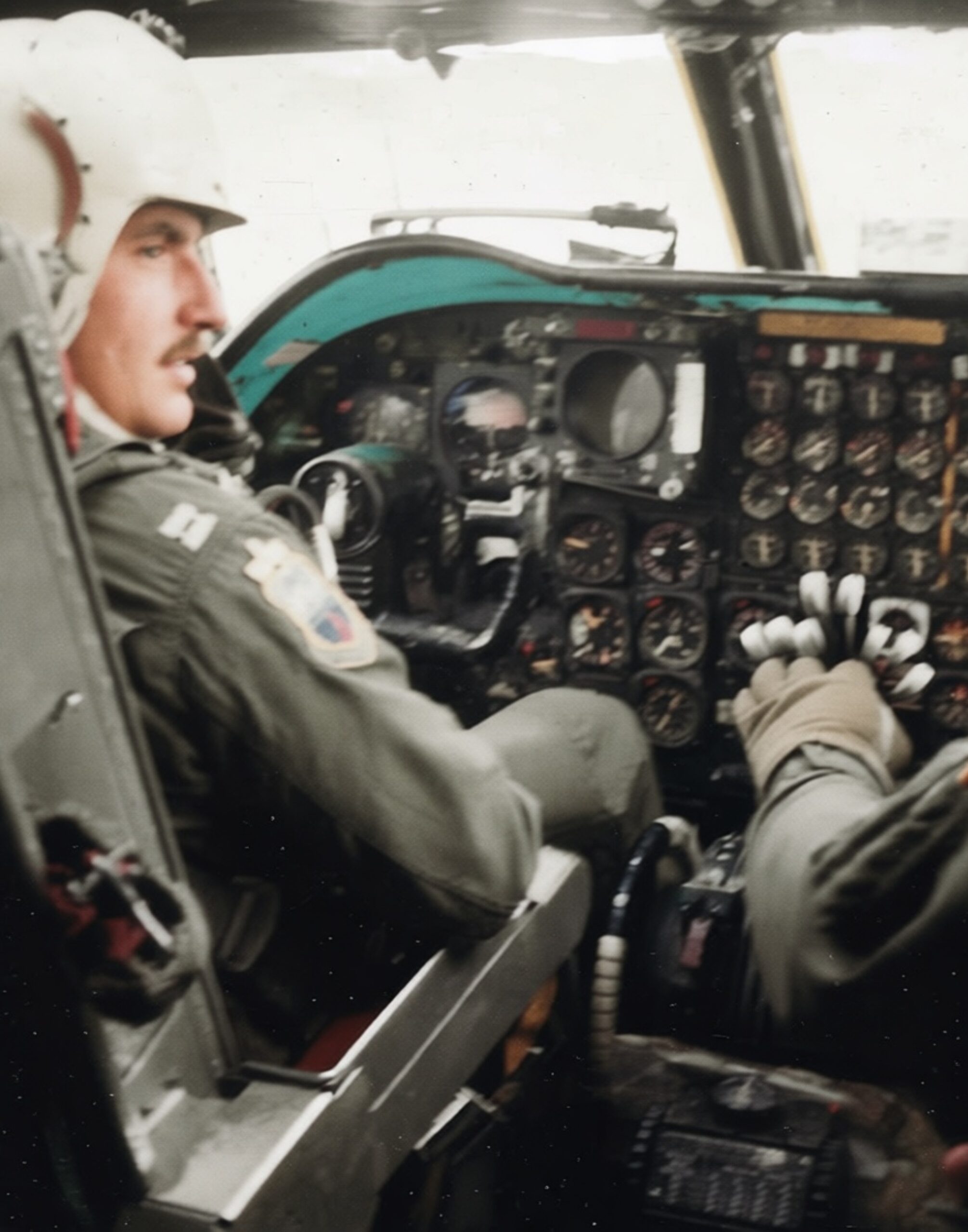
When I returned from Vietnam in 1969, I was reassigned to fly B-52 bombers in the Strategic Air Command (SAC) near Sacramento, California. It was the height of the Cold War, and the primary mission of the B-52 fleet was nuclear deterrence. However, with the war in Vietnam ongoing, many missions supported combat operations. Over the next four years, I flew missions over Vietnam from bases in Thailand and Guam.
Flying the B-52 was a very different experience from the low-level missions in the O-2A. The pace of operations allowed more time between flights, and while stationed in Guam, I discovered a lifelong love of snorkeling along the island’s coral reefs.
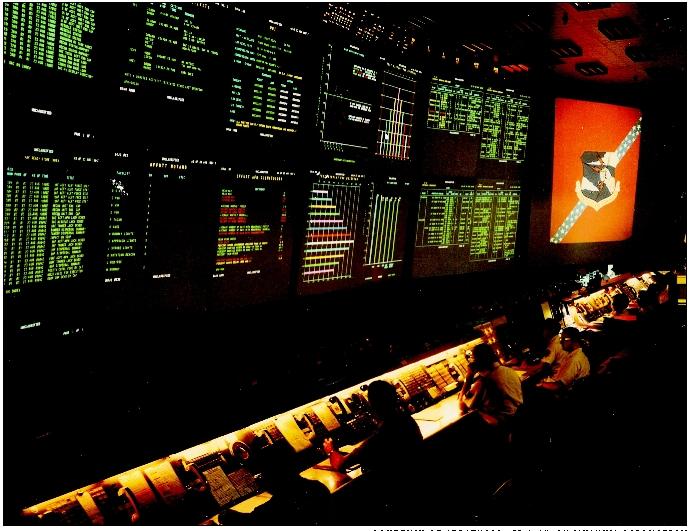
In 1974, I transitioned from active flying to working in Command Centers. The Command Center served as the operational hub of a Strategic Air Command base, coordinating communications for the commander and monitoring the readiness of nuclear-armed B-52 aircraft. In 1976, I was reassigned to Fairbanks, Alaska, as Director of the Command Center there.
For anyone who loves wild country, Alaska was a remarkable assignment. During our three years there, we experienced both extremes—24 hours of daylight in the summer and long winters with nearly 20 hours of darkness and temperatures reaching 50 degrees below zero. It remains one of my favorite places, and I still enjoy returning whenever I can.
In 1979, our family moved to Bellevue, Nebraska, where I was assigned to the Headquarters Strategic Air Command Command Center. The facility served as a central command-and-control hub for the nation’s intercontinental ballistic missiles and nuclear bomber fleet. I concluded my military career there, retiring as Chief of the Command Control Evaluation Branch.
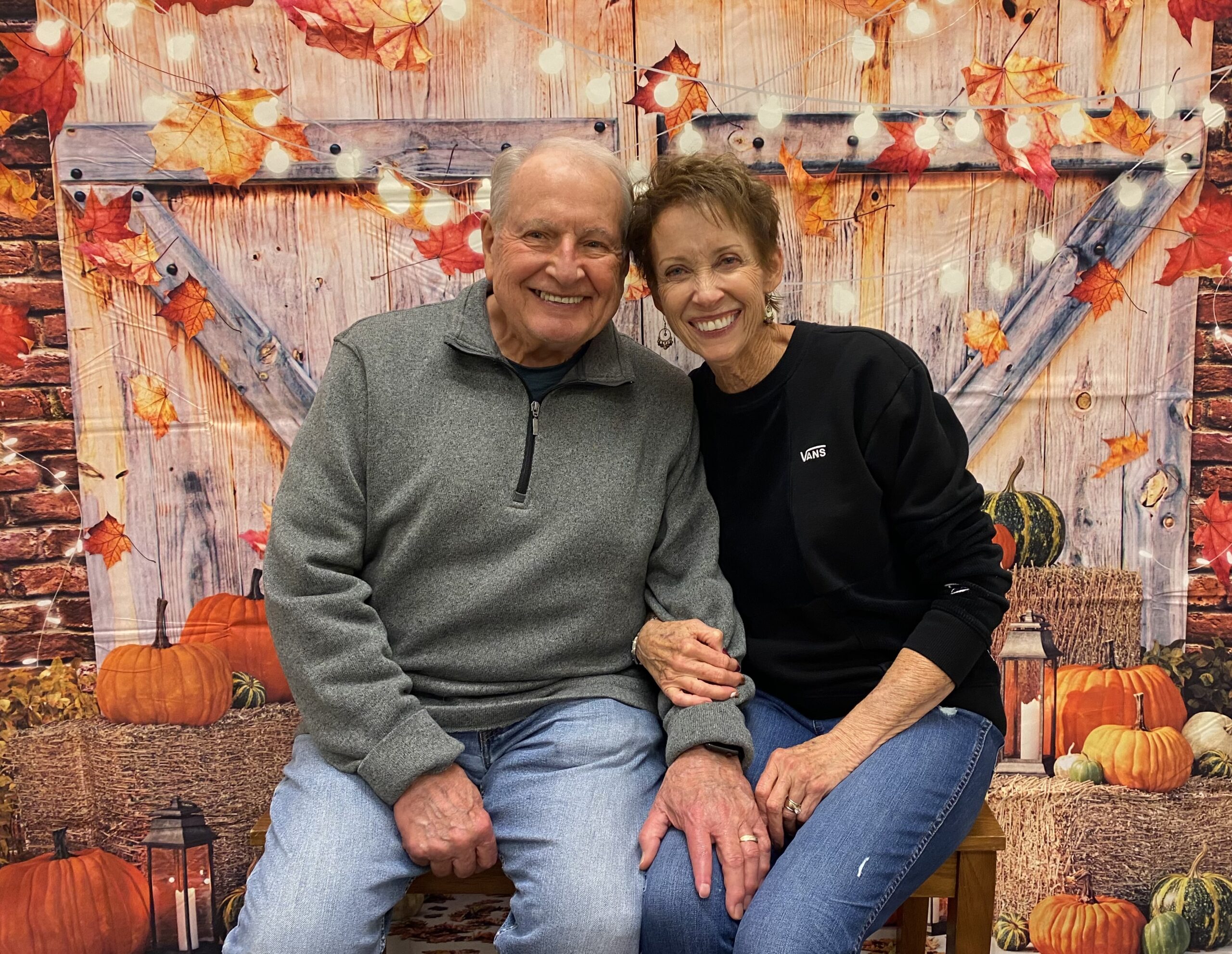
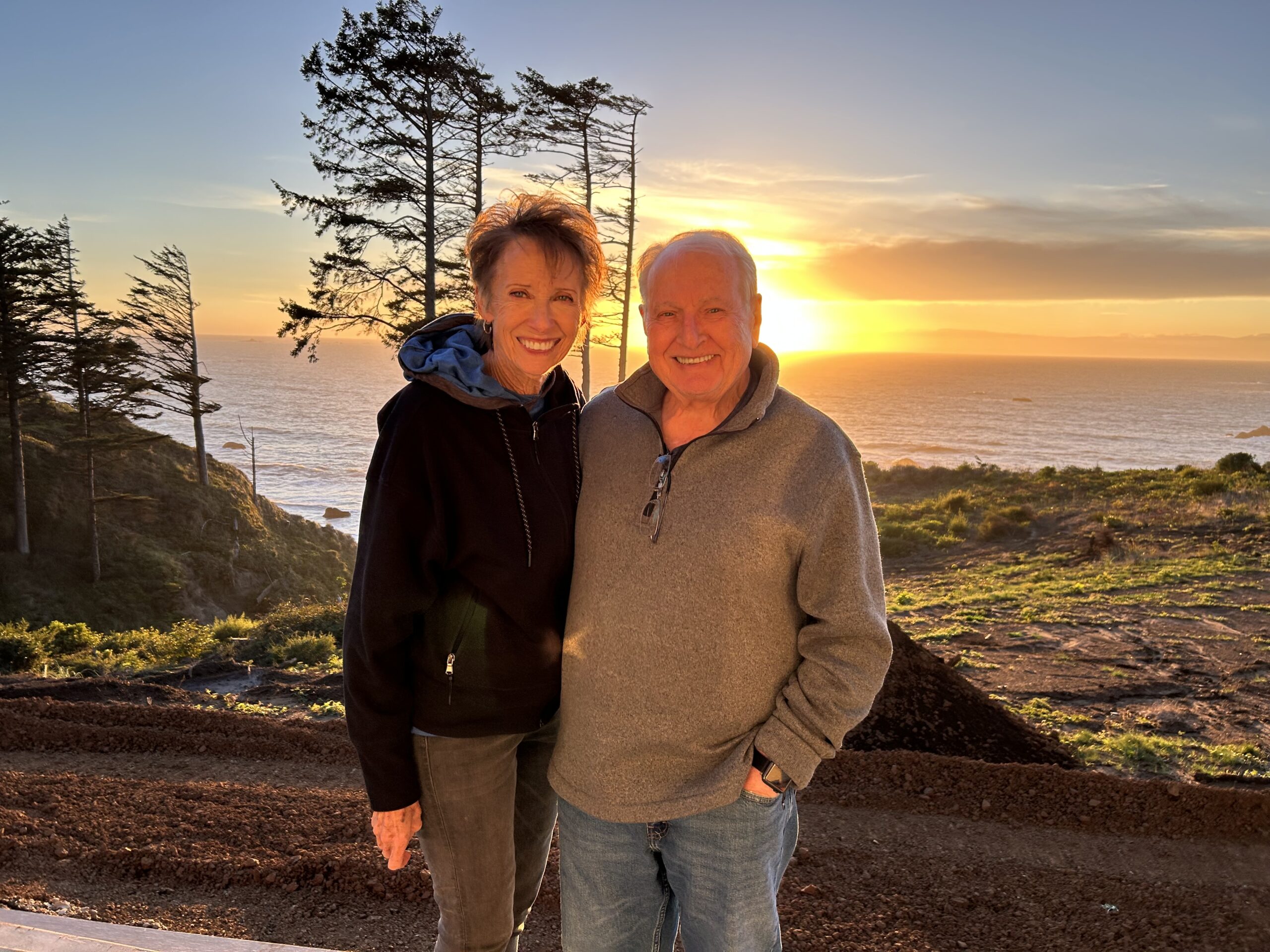
In 1983, our family relocated to Provo, Utah, settling in the Northgate neighborhood in the River Bottoms. My wife, Becke, passed away in 1993. Three years later, Paula Ferguson and I blended our families. Together, we are proud parents of nine Timpview High School graduates and grandparents to 40 grandchildren.
After returning to Utah, I began a civilian career as a program manager with Sperry Univac, a company that eventually became L-3 Communications Systems. During my 24 years with the company, my work took me to many overseas locations throughout Europe, Asia, and Southwest Asia.
Looking back, my military career was a defining chapter of my life. It shaped my perspective in many ways, including spiritually. People often ask how those experiences influenced my views on war. My answer is simple: war is evil. But sometimes it is necessary. One quote that has always resonated with me comes from General Norman Schwarzkopf, commander of U.S. Central Command during Desert Storm: “War is an abomination.”
Those words capture the reality that many veterans understand all too well.