
By Anne Hess, Editor
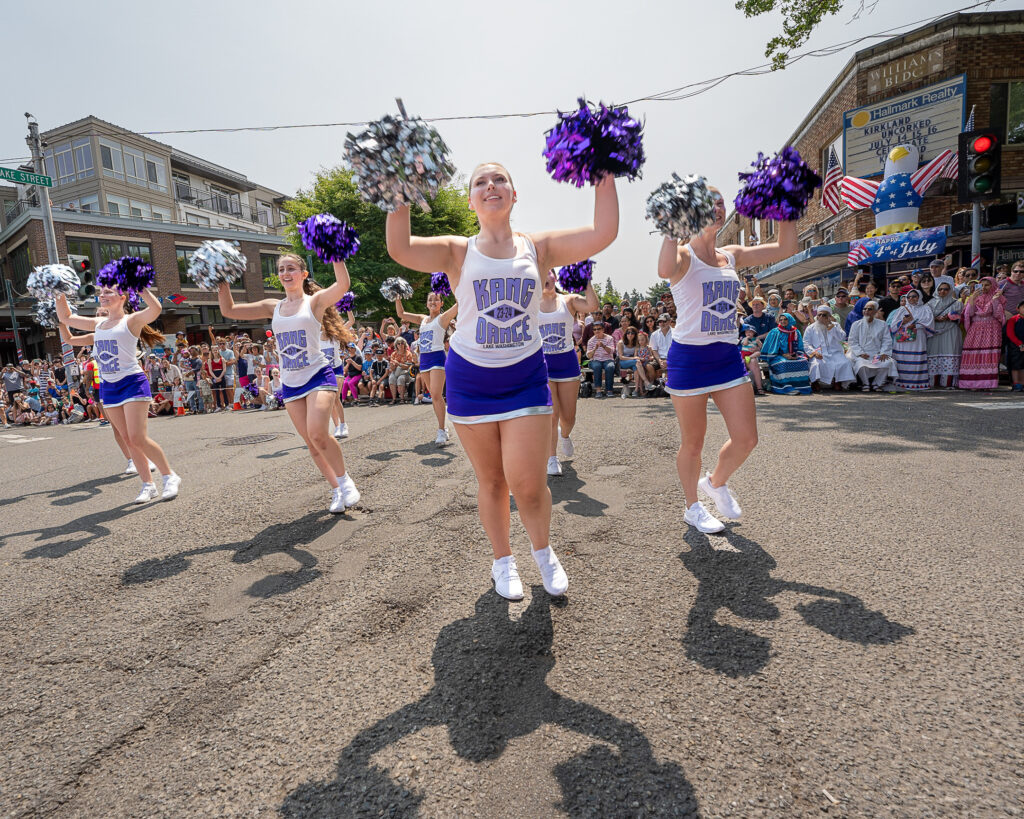
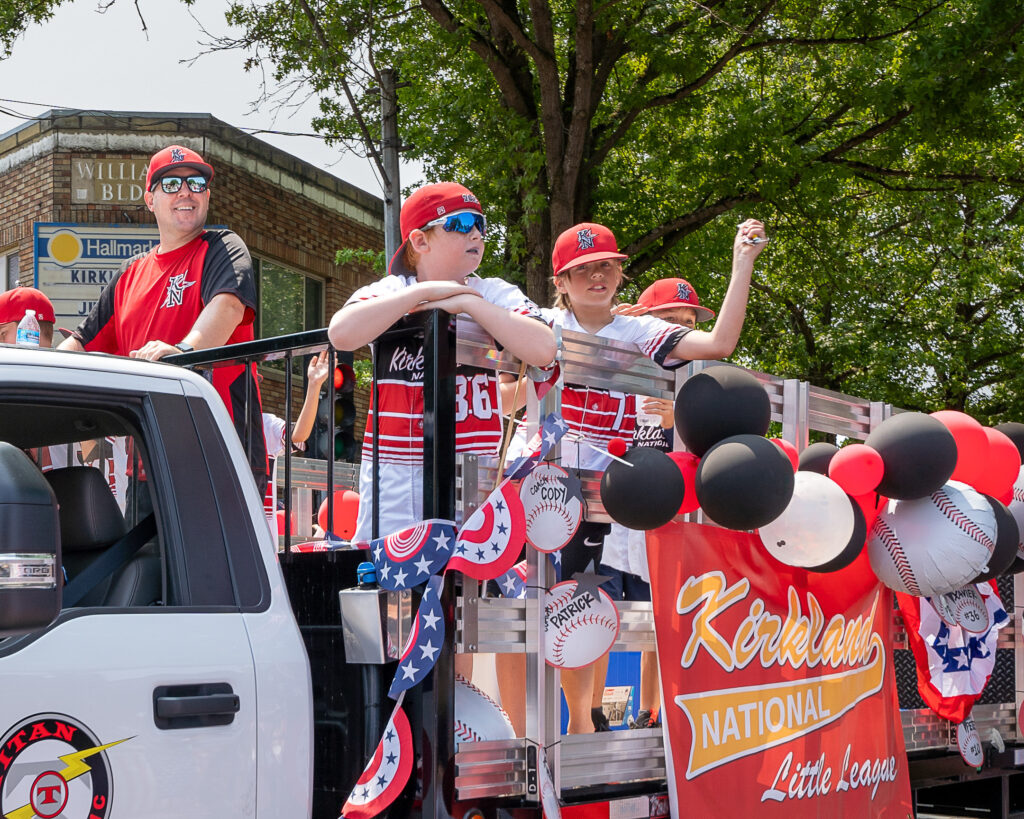
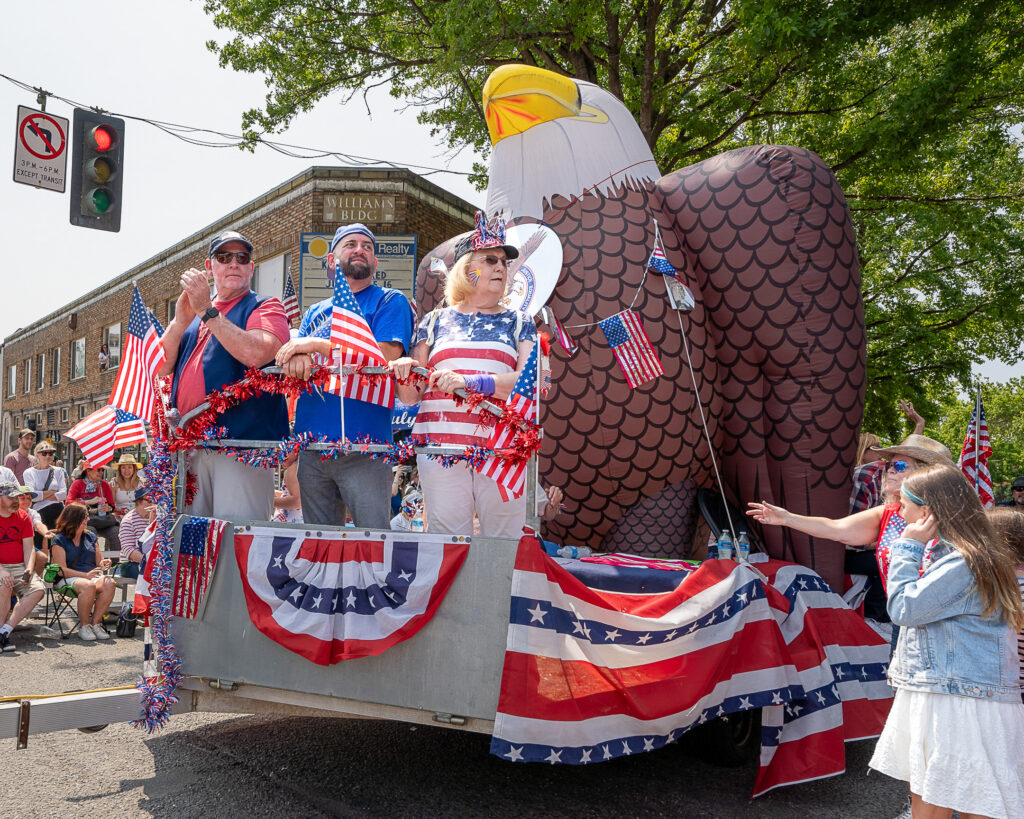
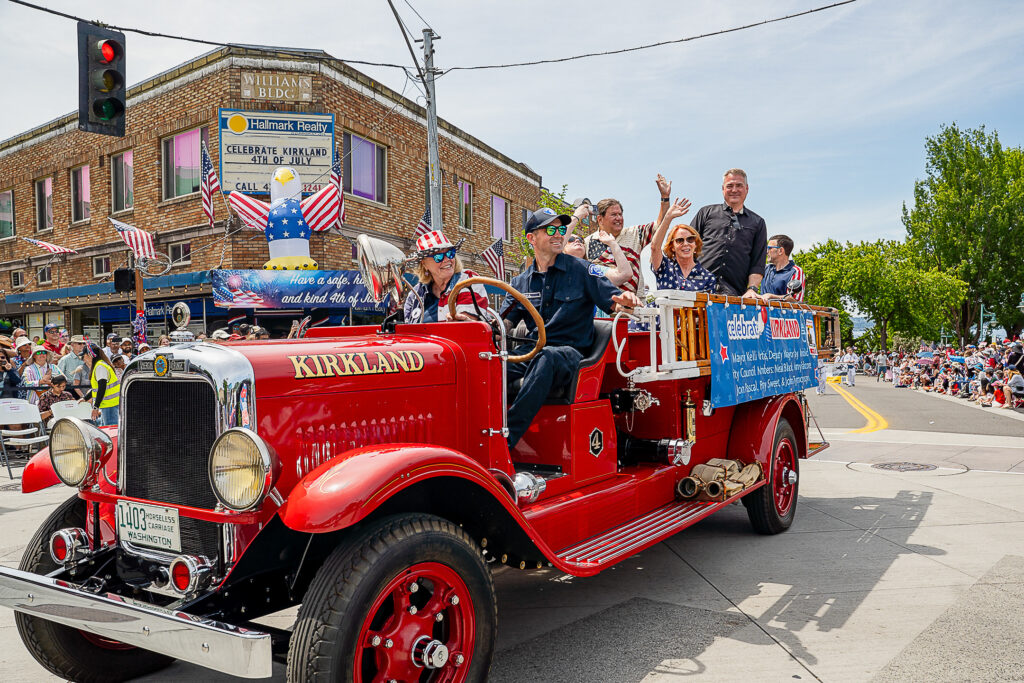
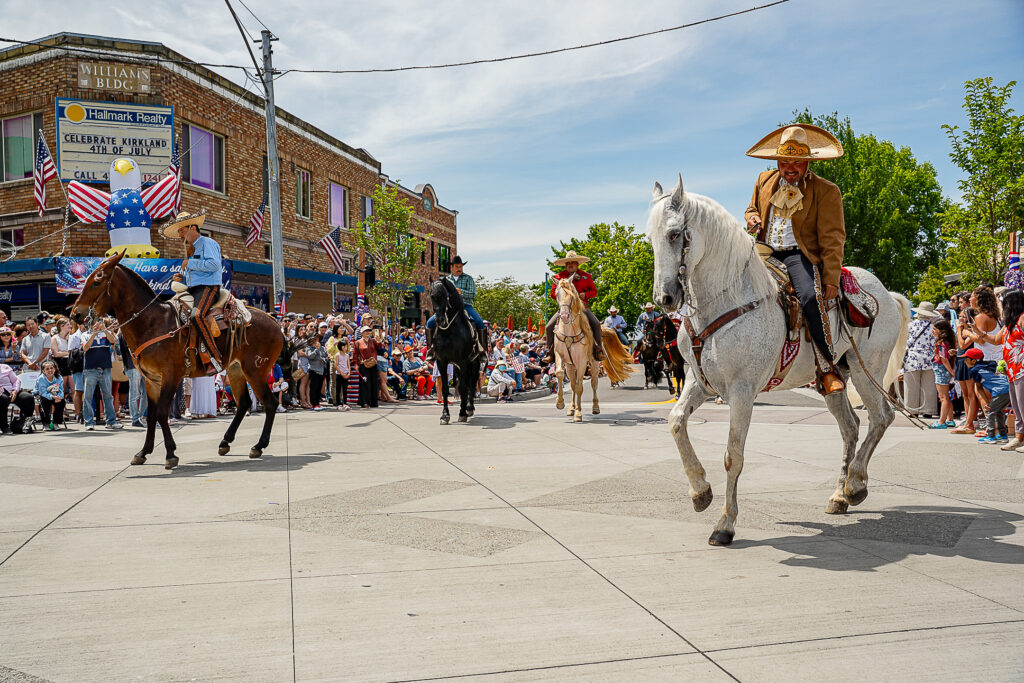
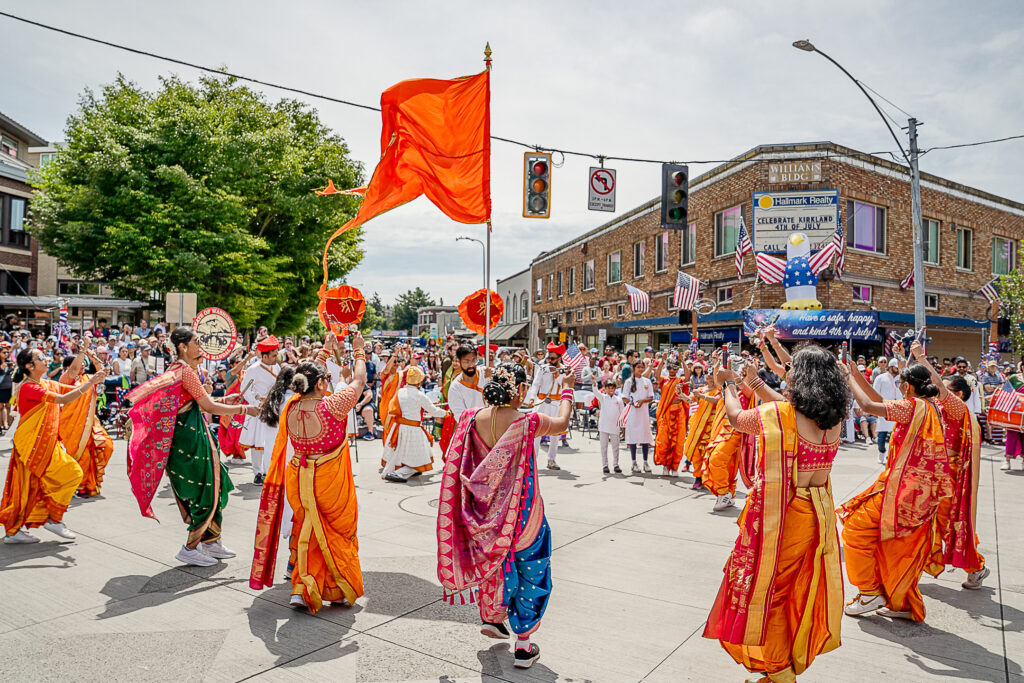
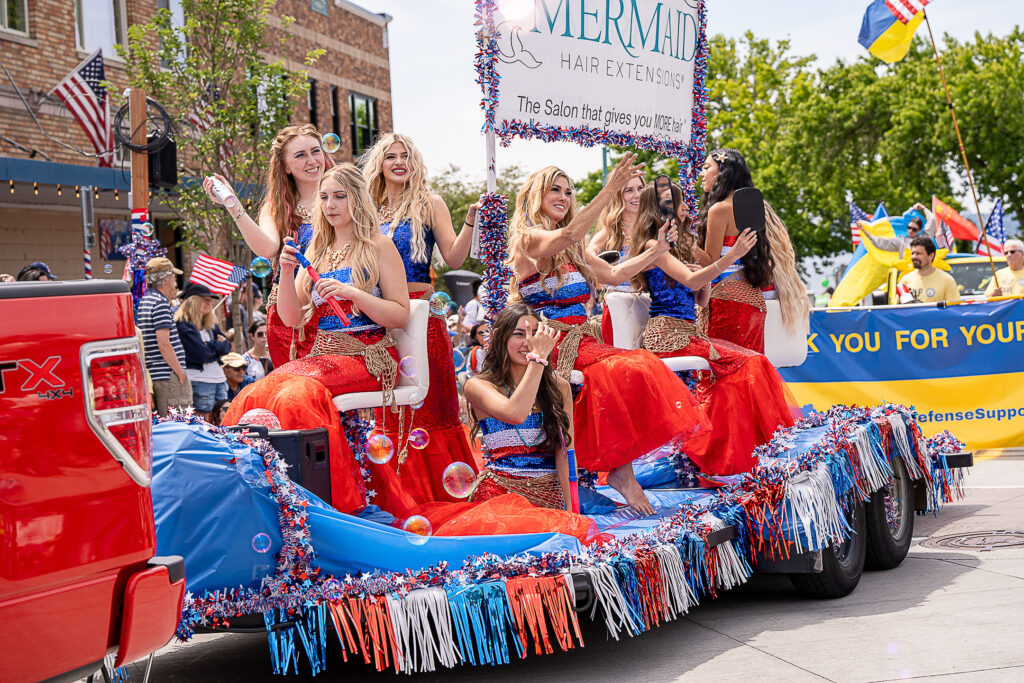
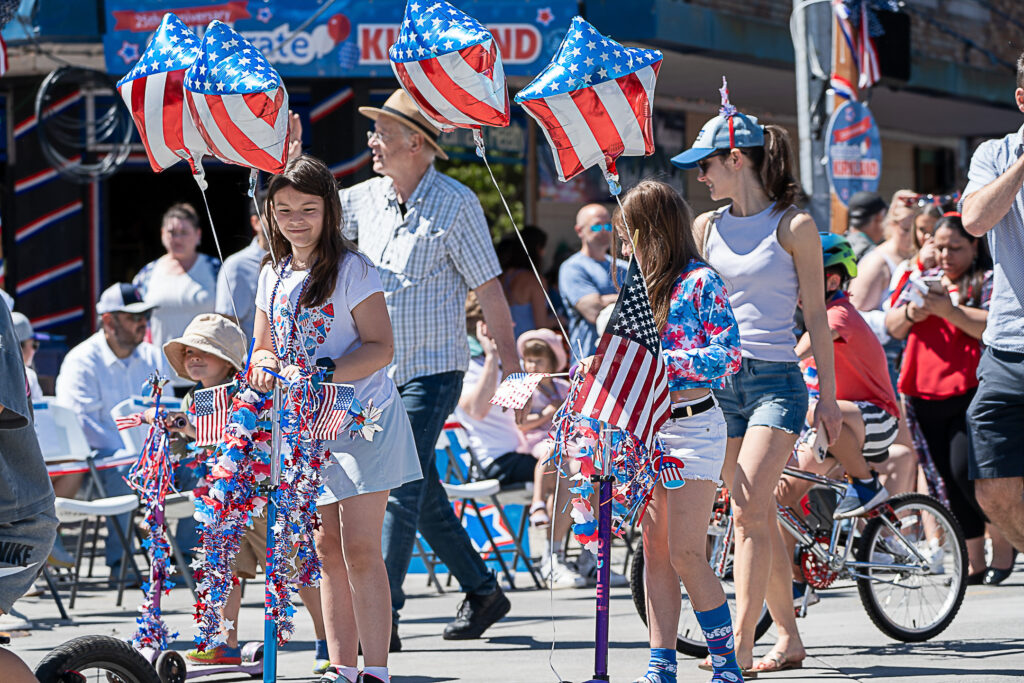
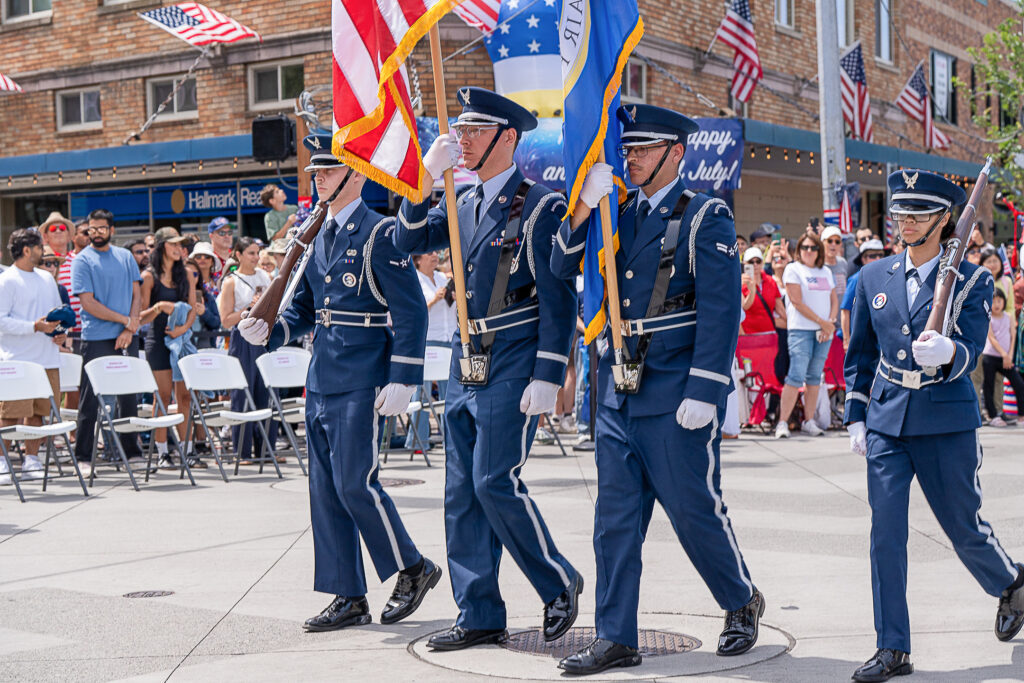
For many in Kirkland, the Fourth of July parade is simply part of summer. Families claim their favorite spots along the route early, children wave flags from the curb in anticipation of marching bands and colorful floats, veterans lead the way with quiet dignity, and the unmistakable excitement of fire trucks never fails to delight the youngest spectators. It is one of those traditions that feels as though it has always been woven into the fabric of community life.
According to Penny Sweet, when scholarship essays from local high school seniors were once reviewed about what they loved most about Kirkland, Celebrate Kirkland’s Fourth of July celebration appeared again and again. That says something powerful about what this event has come to mean—not simply as a parade, but as a shared experience that generations of Kirkland families have grown up with and come to treasure.
Yet Kirkland has changed dramatically over the years. Our community has welcomed many new residents and young families who may love this tradition just as much, but know little about how it began—or how much heart, coordination, and volunteer effort it takes to bring it to life each year.
Having been part of the Kirkland Downtown Association for a decade, I had the opportunity to witness some of that effort firsthand. When I first became involved with the parade, I quickly realized how much happens behind the scenes that most of us never see. My own role was relatively small—standing in a bright yellow safety vest, helping keep children safe along the parade route—but it opened my eyes to the extraordinary amount of planning and teamwork required to make something like this feel seamless.
Behind every parade entry is a volunteer. Behind every road closure is someone who got up before dawn. There are organizers coordinating sponsorships, police support, staging logistics, judging, signage, announcements, and countless details that attendees rarely think about. That experience sparked a curiosity that stayed with me for years: how did this beloved tradition begin, and how much of its history had been forgotten as Kirkland continued to grow?
That question eventually led me to the Kirkland Heritage Society, where I spent time with Loita Hawkinson looking through old newspaper archives and discovering that Kirkland’s Fourth of July spirit stretches much farther back than Celebrate Kirkland itself. In 1919, Kirkland hosted what The East Side Journal described as a “big Fourth,” drawing an estimated 4,000 people for a full day of festivities. The celebration included a morning parade, band concerts, patriotic speeches, baseball, swimming races, log rolling contests, a greased pole competition, fireworks over the lake, and dancing late into the evening. Local businesses donated prizes, volunteers organized the events, and neighbors showed up in force to celebrate together. More than a century later, the details may have evolved, but the spirit feels remarkably familiar.
The modern version of Kirkland’s Fourth of July celebration began with a much smaller neighborhood tradition. On July 4, 1999, Penny Sweet and her husband, then-City Councilmember Larry Springer, attended the annual Market neighborhood parade, where neighbors followed an older resident carrying a boom box playing patriotic music. It was charming, local, and full of heart, but many attendees shared a common frustration: the city had recently banned fireworks, and residents felt Kirkland should still be doing something meaningful to celebrate Independence Day.
Penny took that sentiment to Teddy Overleese at the Kirkland Downtown Association, along with the Chamber of Commerce, hoping to spark broader interest. For a time, the idea sat quietly. Then, in January 2000, after a contentious city council campaign, Larry Springer was selected as mayor, and Penny felt the community needed something positive—an event that could bring people together rather than divide them.
With enthusiastic support from then-City Manager Dave Ramsay, Penny agreed to chair the effort if the right partners could be assembled. Teddy quickly identified Patti Grimm as co-chair, and momentum began building. Selling the vision, Penny says, was surprisingly easy. A town hall at the Peter Kirk Community Center drew a strong crowd, where Penny led attendees through a visioning exercise, asking them to close their eyes as she described what the day could become—from the parade to a community picnic to fireworks over the water. The response was immediate, and she took that vision to neighborhood meetings, Kiwanis, Rotary, and anywhere people would listen.
Funding, of course, was one of the first major hurdles. The City of Kirkland made a significant early investment, particularly to support the fireworks show, while organizers worked tirelessly to secure sponsorships. One of the earliest supporters was Lee Johnson, whose family has remained a steadfast champion of the celebration ever since. From the beginning, Penny said, the goal was never a one-time event. “It was absolutely our intention that this would become an annual effort.”
That first celebration exceeded expectations. Neighborhoods, businesses, and community organizations embraced the vision in ways organizers had not imagined. Over time, Celebrate Kirkland became more than an event—it became part of the city’s identity.
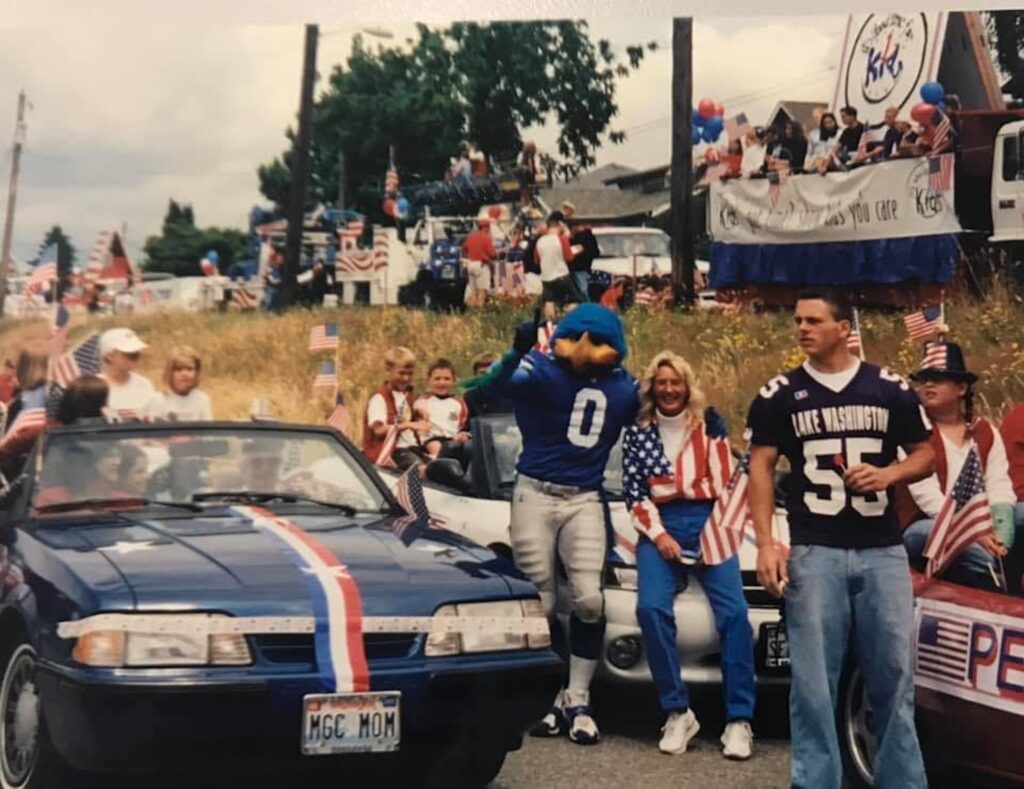
Penny was far from alone in building that vision. Kellie Jordan, one of the original founders, helped shape what the event would become and remembers the early years as a true labor of love. In 1999, she served as a parade monitor while her mother and sisters drove red, white, and blue convertibles representing Peter Kirk Elementary. “Nobody really got it,” she remembers with a laugh, “until the third car went by with the school sign.”
By 2000, Kellie was deeply involved, with the Kirkland Downtown Association serving as the de facto parade headquarters. Volunteers worked year-round organizing sponsorships, auctions, and logistics. Elke Grimm was instrumental in decorating and helping run the kids parade, while Dan Krehbiel, whom Kellie describes as a logistics wizard, created the parade route maps and signage for years.
Producing the parade required an enormous amount of coordination and volunteer effort. A few days before each Fourth, Penny, Dan, and Kellie would sit down and finalize the parade order. On July 3, volunteers gathered to decorate the route—rewarded with commemorative T-shirts, coffee, and donuts. By parade morning, streets were being cleared, closure signs posted, staging areas organized, and vehicles towed if necessary. Sheila Cloney played an integral role from the city side, helping ensure the event ran smoothly year after year.
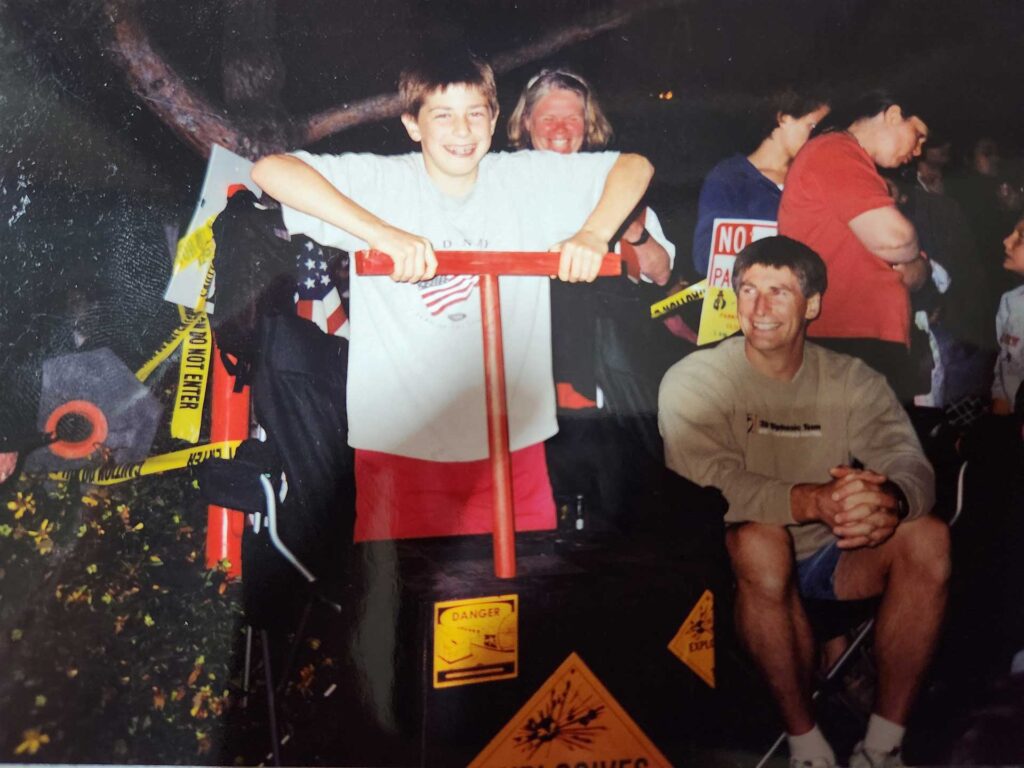
One especially memorable year came in 2001, when the city dedicated The Homecoming, the beloved Marina Park statue honoring military families that was gifted to the city. To mark the dedication, organizers created an elementary school poetry contest centered on patriotism, with the winning poem read by then-Mayor Larry Springer. Ethan Nordness of Peter Kirk Elementary won the contest and earned the unforgettable honor of “lighting” the fireworks that evening using a ceremonial plunger box the organizers created—a prop that later found new life at Kirkland’s holiday tree lighting.
Another standout came in 2005, Kirkland’s Centennial year, when Kellie set out to surprise Penny by reaching 100 parade entries. They did. Though Kellie has since moved away, what she remembers most fondly is the camaraderie among the people who made the event happen. “There were so, so many people,” she recalls—a reminder that community traditions are never built by one person alone.
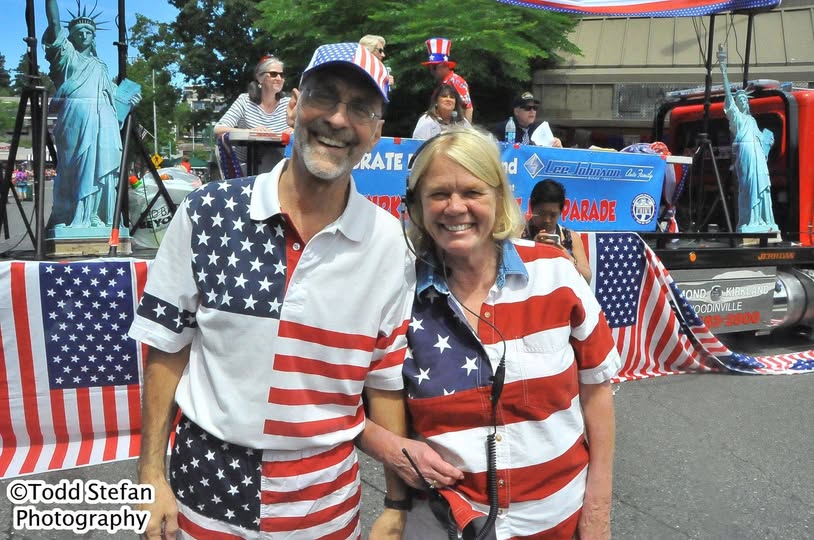
Terri Fletcher has also become part of the very fabric of Celebrate Kirkland. For many attendees, Terri is the voice of the parade—a familiar and welcoming presence on the grandstand helping guide the day’s festivities year after year. Like many long-running traditions, however, the polished production audiences see today evolved gradually over time.
When the committee first added live announcing in 2001, Terri stood in the back of a City truck in the rain with a bullhorn while her niece, Jen Miller, held the script. “Needless to say,” she laughs, “we improved our presence and announcing as the years went on.”
The parade itself became more sophisticated over time. Awards were added, judged using criteria inspired by the Macy’s Thanksgiving Day Parade—thanks to Terri’s mother, Bonnie Fletcher, who somehow found the judging guidelines online and assembled judges’ packets each year. Over the past 24 years, Terri has emceed alongside eight different co-hosts. One memorable year, Penny Sweet decided to try co-emceeing from street level rather than the grandstand. According to Terri, Penny was “one and done,” later laughing, “Okay, I never need to do that again.”
Of course, after more than two decades of parades, there are also the kinds of stories that could only happen in a close-knit hometown community event.
Terri still laughs about 2009, when, just before the Kiddie Parade began, a Kirkland police officer escorted a gentleman in full military dress and his wife to the sound stage. He introduced himself as Rear Admiral Horton Smith with the Submarine Veterans. The only problem? No one knew why he was there.
Terri radioed Penny, Kellie, and Maureen. No one had a clue, so the group simply rolled with it.
When the Submarine Veterans passed the grandstand, Terri invited Admiral Smith to help announce them, which he did beautifully. Only afterward did the mystery unravel. Running late and blocked by street closures, Smith had told the officer he was “a judge,” referring to his role as a retired King County Superior Court judge. The officer understandably assumed he meant parade judge and delivered him straight to the sound stage.
When Terri later asked why he hadn’t corrected anyone, his answer was classic: “Are you kidding? We had the best seat in town.”
If that story captures anything about Celebrate Kirkland, it is this: while the parade may look polished from the curb, it has always been fueled by improvisation, humor, dedication, and community spirit.
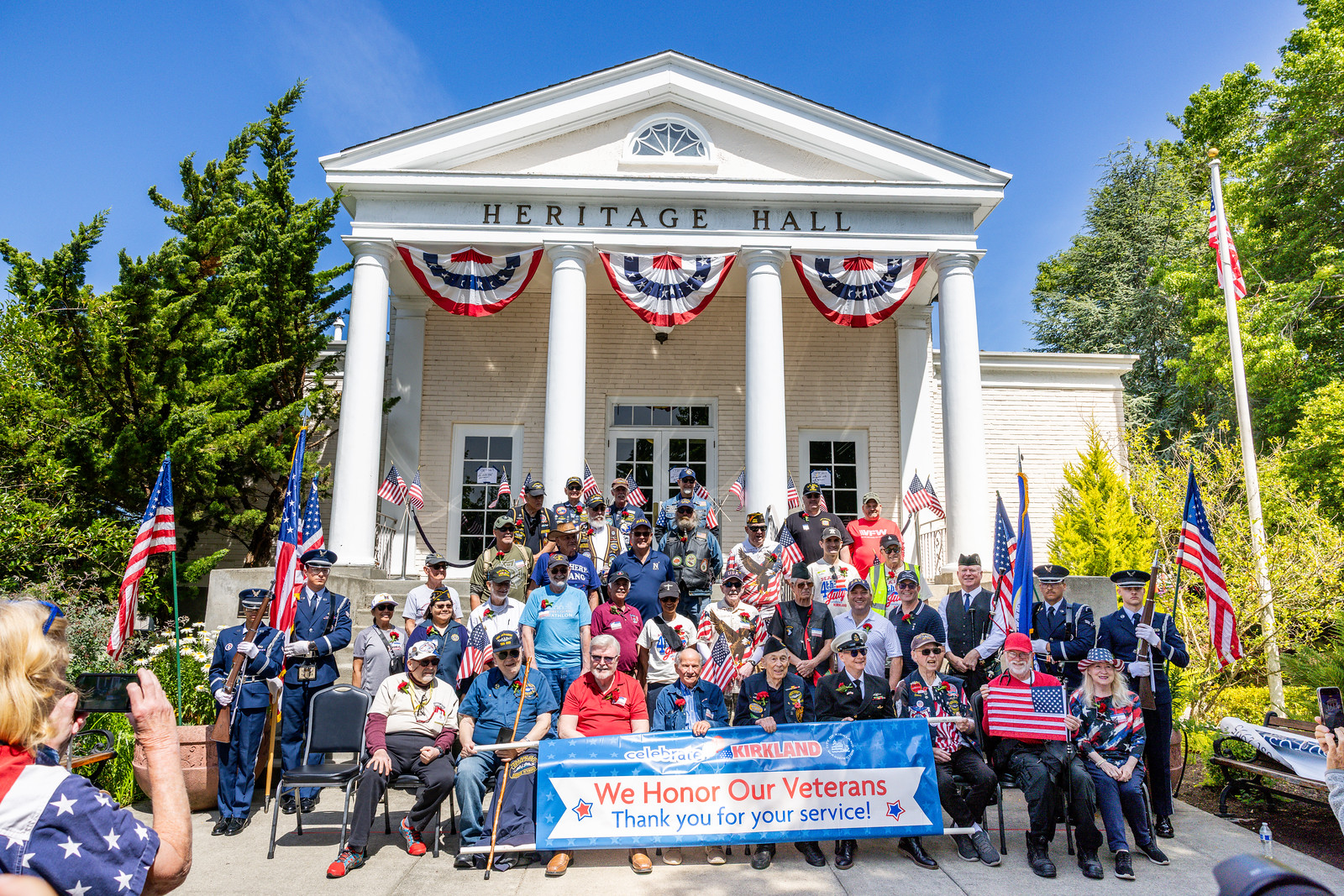
Celebrate Kirkland reflects the personality of Kirkland itself—warm, welcoming, spirited, and deeply rooted in civic pride. Veterans, long led by Maureen Baskin, have held a place of honor at the front of the parade, gathering at Heritage Hall before stepping off. Marching bands, youth groups, decorated floats, classic cars, community organizations, and local leaders all add to the pageantry. For many children, nothing rivals the excitement of seeing the fire trucks roll by.
As America marks its 250th anniversary, it feels especially fitting to reflect on a tradition that has brought Kirkland together for generations. The details may evolve, but the heart remains the same.
In Kirkland, the Fourth of July has never just been about a parade. It has always been about community.