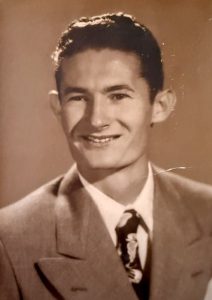

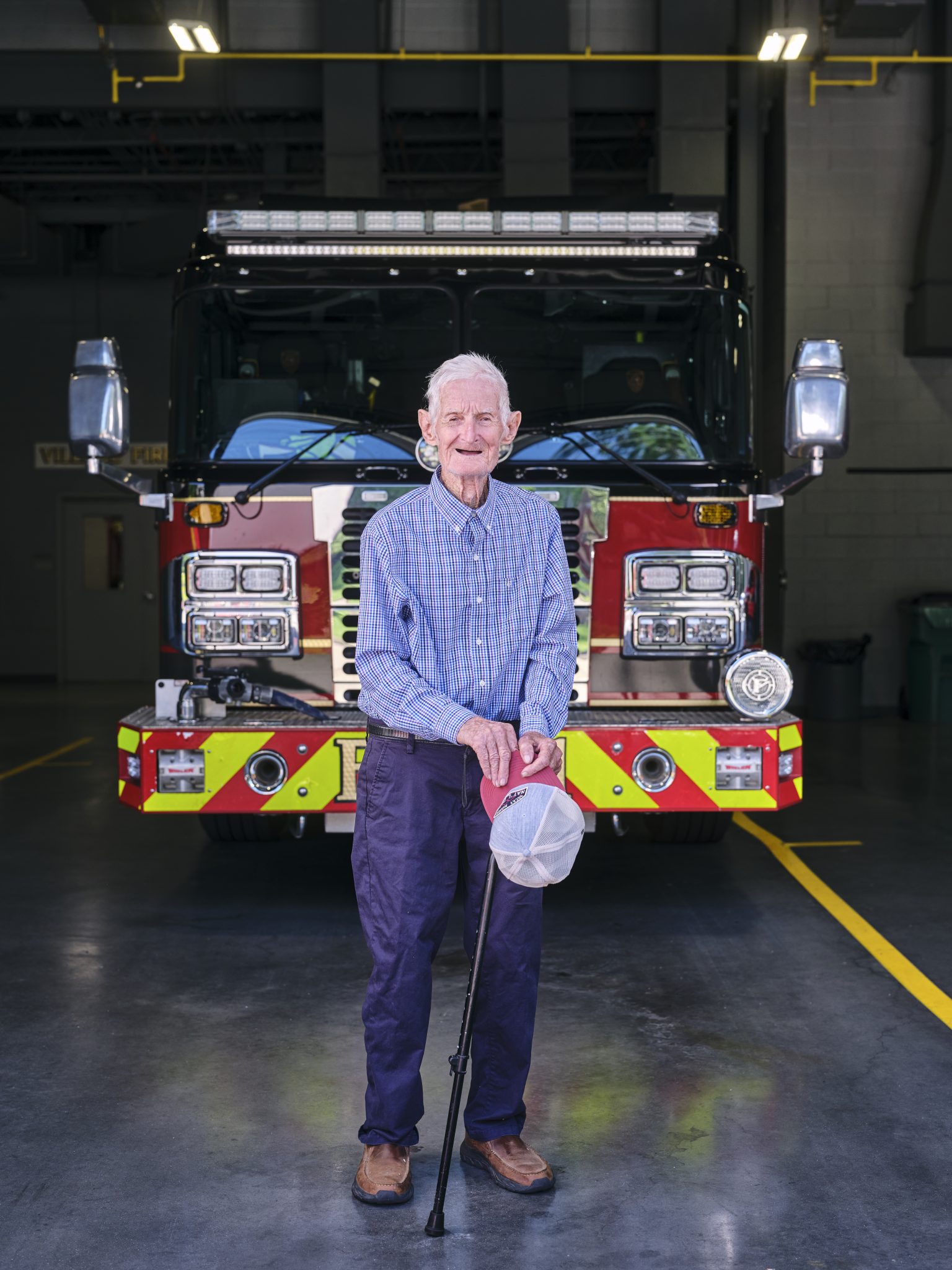
At 101 years old, Vernon Kahanek has witnessed more change than most can imagine. Yet despite a century marked by world wars, technological advances, and the transformation of America itself, his guiding principles remain remarkably simple: faith, hard work, and living by the Ten Commandments.
Born and raised in Hallettsville, Texas, Vernon grew up on a farm in a family of Czech heritage. His mother immigrated from Moravia in 1903, while his father’s family arrived in Texas in the 1850s. Those early years taught him practical skills and the value of perseverance, lessons that would prove invaluable during one of the nation’s defining moments.
He vividly remembers December 7, 1941. The day before, Vernon had spent Sunday hunting with friends near Moulton. By Monday morning, everything had changed.
“Everyone was concerned, talking about Pearl Harbor being bombed,” he recalled. “The superintendent came on and gave a speech and told about what had happened. The superintendent announced there would be a draft. The mood was one of concern but also of excitement in terms of, ‘What will I do now?'”
After graduating in 1943, Vernon was drafted but medically deferred because of an irregular heartbeat. Determined to serve, he attempted to enlist in the Air Force, only to be deferred again. Instead, he joined the war effort on the home front.
After a brief stint surveying land in South Texas, he answered a newspaper advertisement seeking workers for the Kaiser Shipyards in Vancouver, Washington. Armed with practical mechanical experience gained on the family farm, Vernon boarded a one-way train to the Pacific Northwest.
Working in the electrical department, he helped wire Liberty ships destined to support Allied forces overseas.
“Every Liberty ship needed miles of electrical wiring for lighting, communication, machinery, and cargo handling,” he said. “We worked 12-hour days because we had to get one ship ready each week.”
The shipyards bustled with workers from across the country, all united by a common purpose. Vernon also worked evenings at a cannery preparing food supplies for military personnel.
“We knew we were working to supply the soldiers with the equipment and food they needed,” he said. “People came from all over the country to work in the shipyards.”
He remembered the sacrifices made at home as well. Gasoline, food, and everyday goods were rationed. Families learned not to waste and to make do with what they had. When the war ended, celebrations erupted. “People were glad it was over,” he recalled.
The opportunities created by wartime industry helped shape Vernon’s future. The steady wages allowed him to save money and continue his education and technical training. In 1950, he moved to Houston to work as an electronic technician for Schlumberger, where he spent 35 years before retiring.
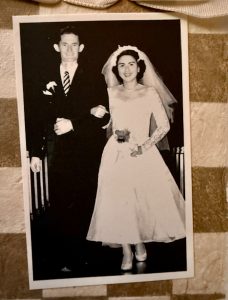
He married his wife, Bertha, in 1953. Looking to build a home and raise a family, the couple explored neighborhoods after heavy rains to see which areas drained well. They were drawn to Hilshire Village’s tree-lined lots and effective drainage system. They purchased their lot for $1,900 and built the home where Vernon still lives today.
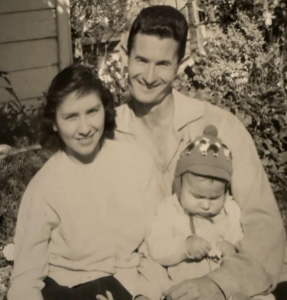
Now a 73-year resident of Hilshire Village, Vernon raised three children there, watched three grandchildren grow up in the community, served approximately 13 years on City Council, and even read water meters by hand before modern technology simplified the task.
Asked how America has changed most in his lifetime, his answer is practical. “Roads. Better roads,” he said. “Traveling was hard to navigate.”
And the life lessons that have endured through 100 years? “Living by the Ten Commandments.”
As America marks 250 years of independence, Vernon Kahanek’s story serves as a reminder that patriotism is often found not only on the battlefield but also in quiet acts of service, commitment to community, and a steadfast dedication to doing what is right.